Witnessing a greener Shanghai: the first workshop for Gen-Z international students
Chnagate.cn, July 14, 2026 Adjust font size:
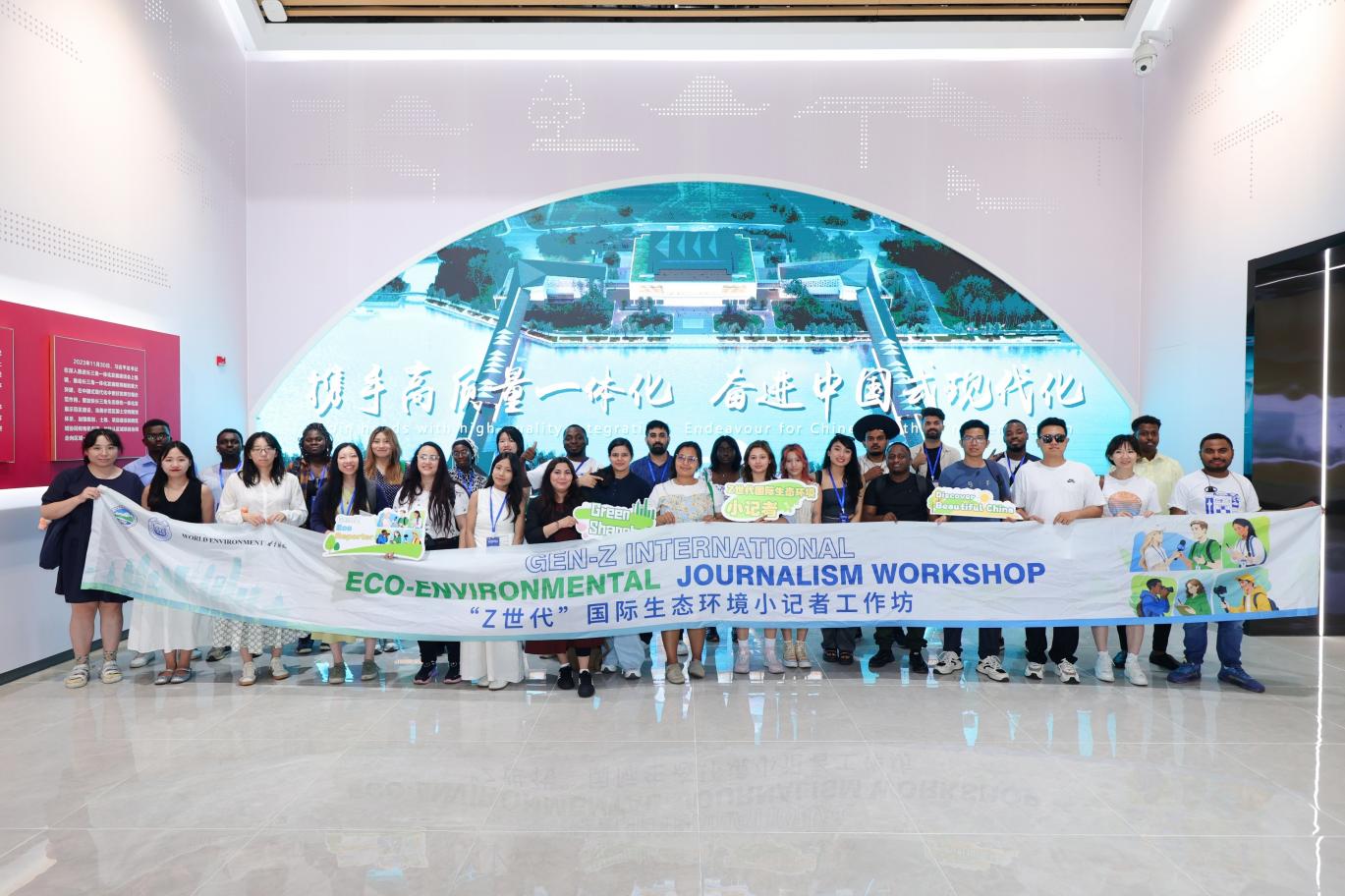
From July 5 to 9, the first Gen-Z International Eco-environmental Journalism Workshop was held in Shanghai. More than 30 international students from over 20 countries spent five days exploring the megacity through a new lens—not as tourists or residents, but as environmental storytellers. Through lectures, field reporting, and conversations with experts, they discovered how one of the world's largest cities is weaving nature into urban life.
Seeing a familiar city differently
At first glance, the 700-square-meter habitat garden tucked between apartment buildings in western Shanghai hardly looks like a landmark in global biodiversity conservation. Yet for the participants, it became one of the most memorable stops on a journey that transformed the way they saw the city around them.
Nestled among residential buildings in Shanghai's Changning district, the habitat garden features an iris pond, a rock garden, an insect house, and an interactive installation that identifies birds through their songs. In 2021, it was recognized by the United Nations as one of its "Biodiversity 100+ Global Typical Cases." By the end of 2025, Shanghai’s Changning district has created about 30 similar habitat gardens.
Here, biodiversity ceased to be an abstract concept. Instead, it became something tangible—a community where people live alongside nature, and where every form of life that “makes its home” here can thrive.
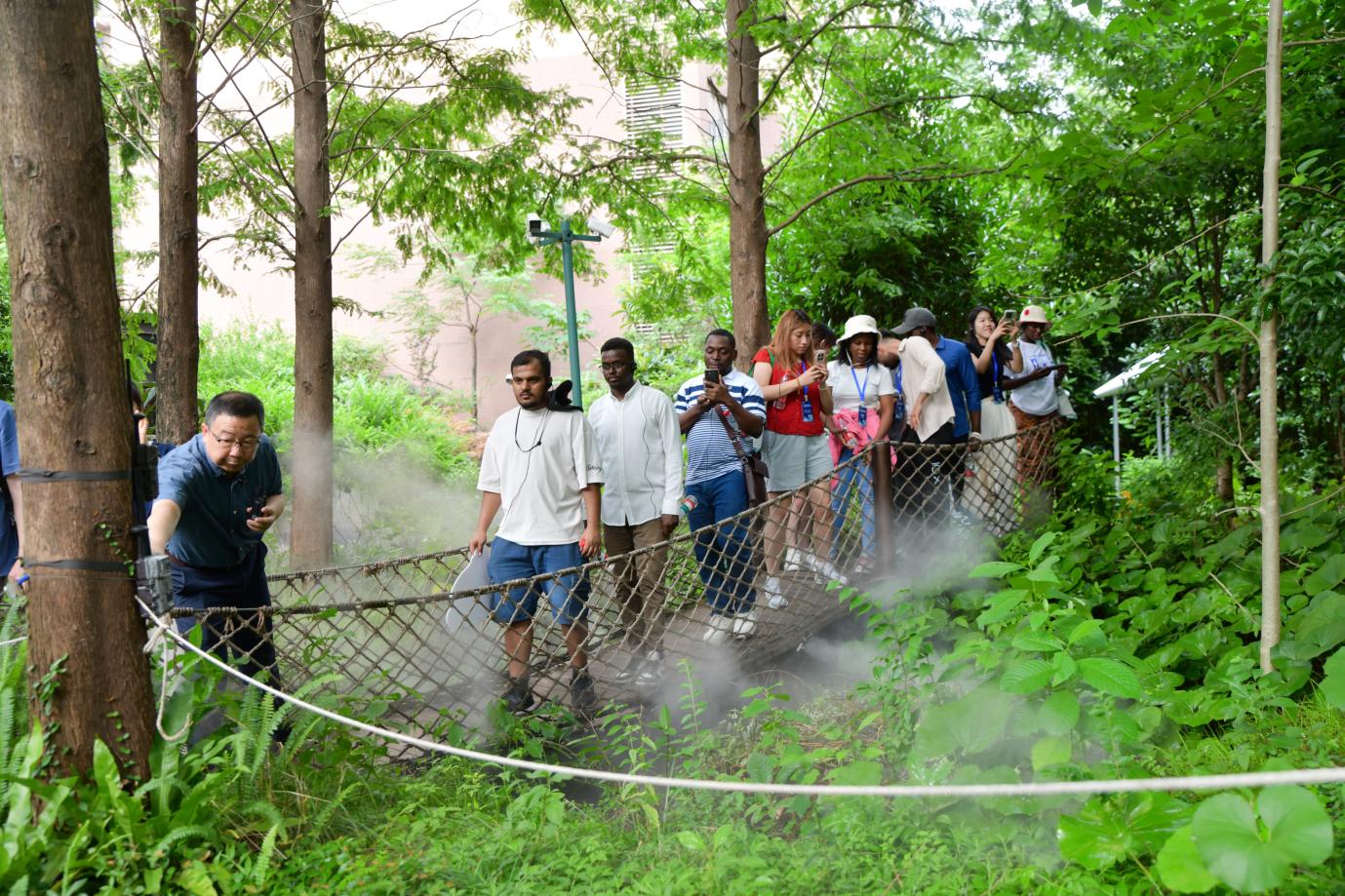
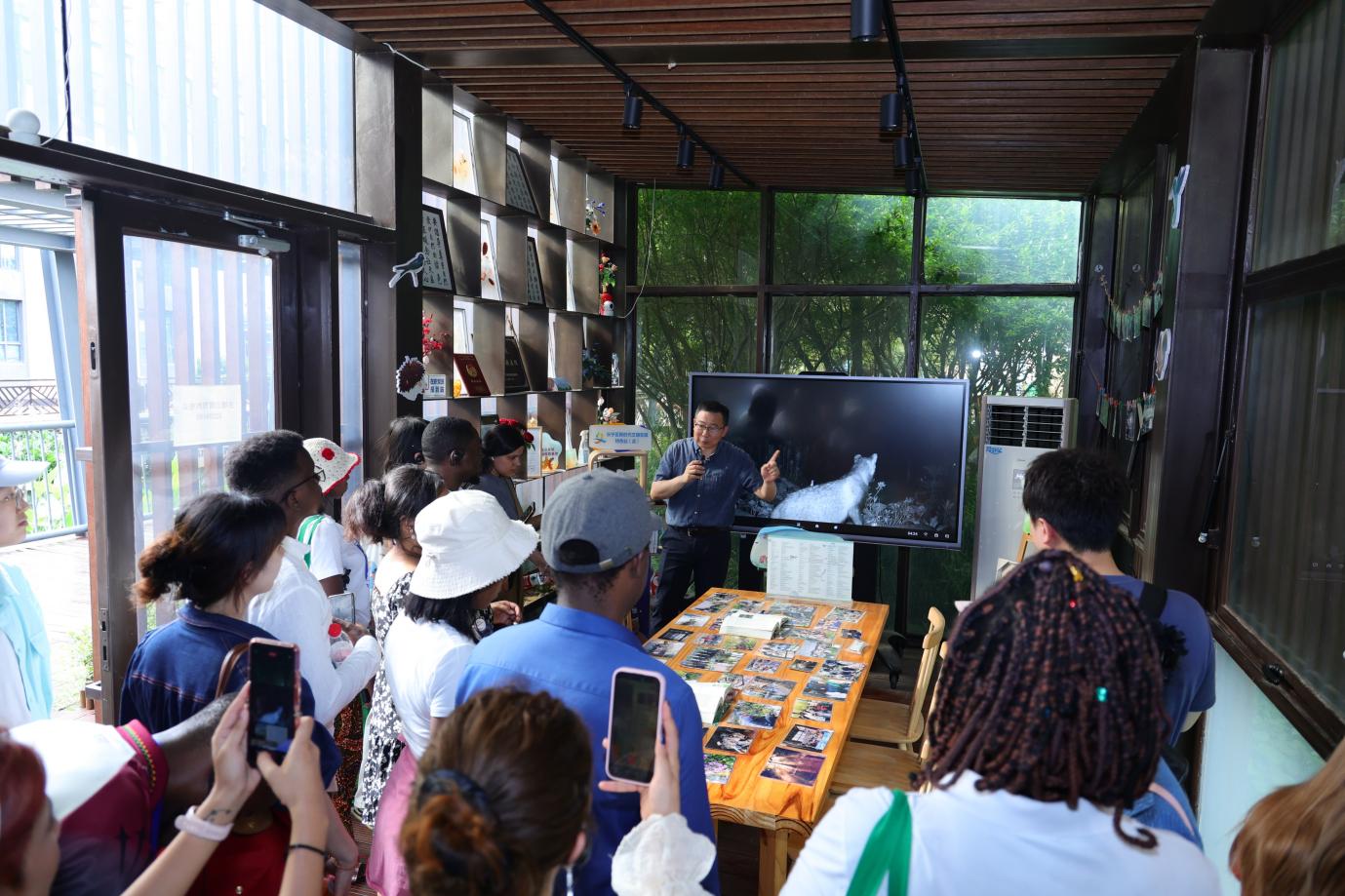
For Gaurav Bastola (Guo Ren), a participant from Nepal, the five-day program of lectures, documentary screenings, and field visits changed the way he viewed the relationship between cities and nature. They are not necessarily opposing forces, he said, but can coexist in harmony. Shanghai’s efforts to integrate ecological thinking into urban planning and infrastructure offered him a new perspective on how cities can develop sustainably.
The workshop was jointly organized by the Center for Environmental Education and Communications of the Ministry of Ecology and Environment and Tongji University. Its participants were more than 30 international students currently studying at Tongji University, most of whom come from countries in the Global South.
Unlike visiting journalists, the participants already knew Shanghai. They commuted on its crowded metro, debated recycling rules outside their dormitories, and learned to order bubble tea in Chinese. The workshop challenged them to see a familiar city with fresh eyes.
That was the program’s unique approach: transforming their dual identity as both local residents and international observers into an advantage for global storytelling. They knew Shanghai through everyday experiences and personal connections, yet they could also step outside those routines and examine the city from a broader perspective.
Learning to tell environmental stories
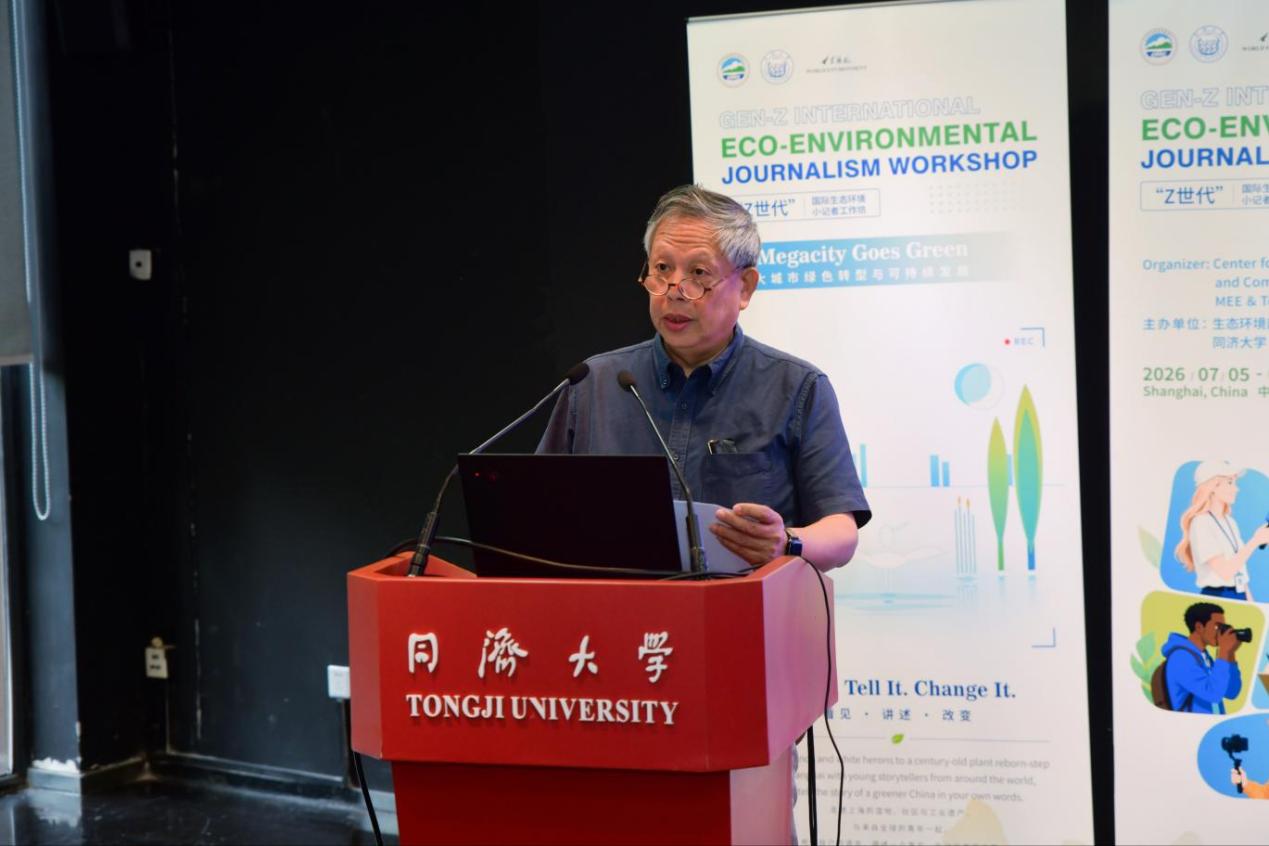
The workshop officially opened on July 6 at Tongji University. Most of the students had never studied journalism. Over the course of a day of intensive training, however, they were introduced to the skills needed to communicate environmental issues across cultures and platforms.
Five experts from academia, journalism and documentary filmmaking guided the sessions, which covered global environmental governance, youth engagement, environmental communication in the digital age, cross-cultural storytelling, and biodiversity filmmaking. Together, the lectures laid the foundation for the field reporting that would follow over the next two days.
Each participant was tasked with producing an original media project under the theme "Seeing China: Green Development and Ecological Conservation." Whether through writing, photography or short video, the goal was not simply to document what they observed, but to interpret those experiences for audiences in their own countries.
For Wu Jiang, former executive vice president of Tongji University and dean of the UNEP–Tongji Institute of Environment for Sustainable Development, the workshop represented a bridge between academic research and public communication.
Every site on the itinerary, he noted, reflects years of research and practice by Tongji scholars.
“The workshop transforms academic research into experiences that young people can understand, share, and communicate to others,” Wu said. “Telling China’s ecological story well requires not only tangible achievements on the ground, but also the voices of young people.”
He encouraged participants to compare China's environmental practices with those in their own countries, believing that meaningful dialogue begins not with identical experiences, but with different perspectives brought into conversation.
Eco-humanist photographer and National Geographic explorer Sun Xiaodong introduced participants to the craft of environmental filmmaking through the documentary Snow Leopard and Friends, directed by Xi Zhinong. The screening also sparked lively discussions about ecological challenges in the students’ own countries.
Guo Ru, professor at Tongji University’s College of Environmental Science and Engineering, shared insights into global environmental governance and China’s role within it, helping participants better understand China’s environmental policies, practices, and achievements.
Fu Xiaoguang, professor at the School of Journalism and Communication at Communication University of China, explored the art of creating short videos for social media platforms. Liu Dong, chief reporter at The Paper, drew on years of climate and low-carbon reporting experience to discuss strategies for telling environmental stories across cultures. Documentary director Tang Xinrong from Shanghai Media Group used his own filming experiences to demonstrate the power of visual storytelling in biodiversity conservation.
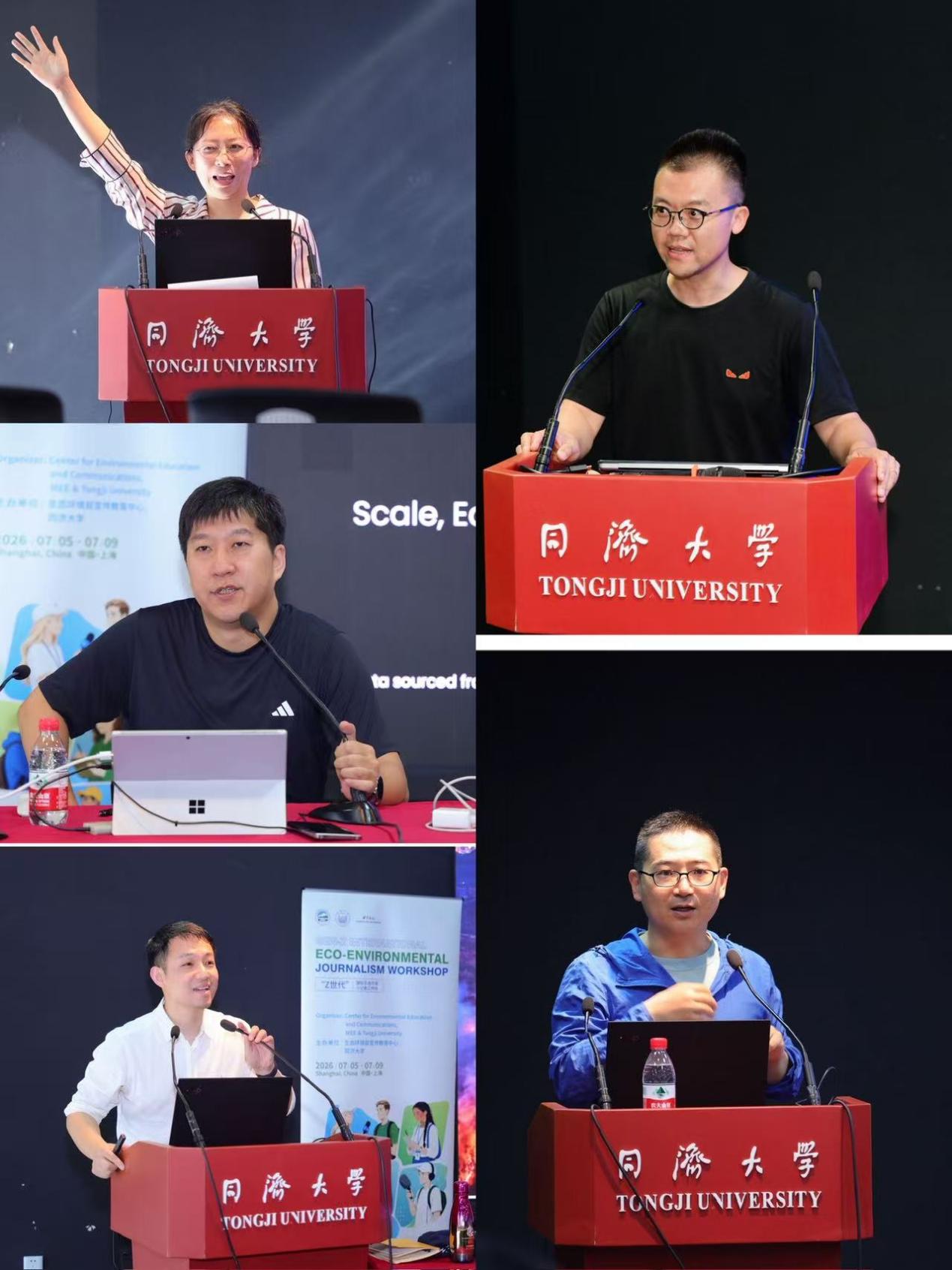
From global governance systems to short-video production, from international communication strategies to biodiversity filmmaking, the participants left with a broader toolkit for observing, interpreting, and sharing environmental stories.
Following Shanghai's green footprints
The fieldwork route followed a gradual shift in scale — from a regional landscape, to a city, and finally to a small community space.
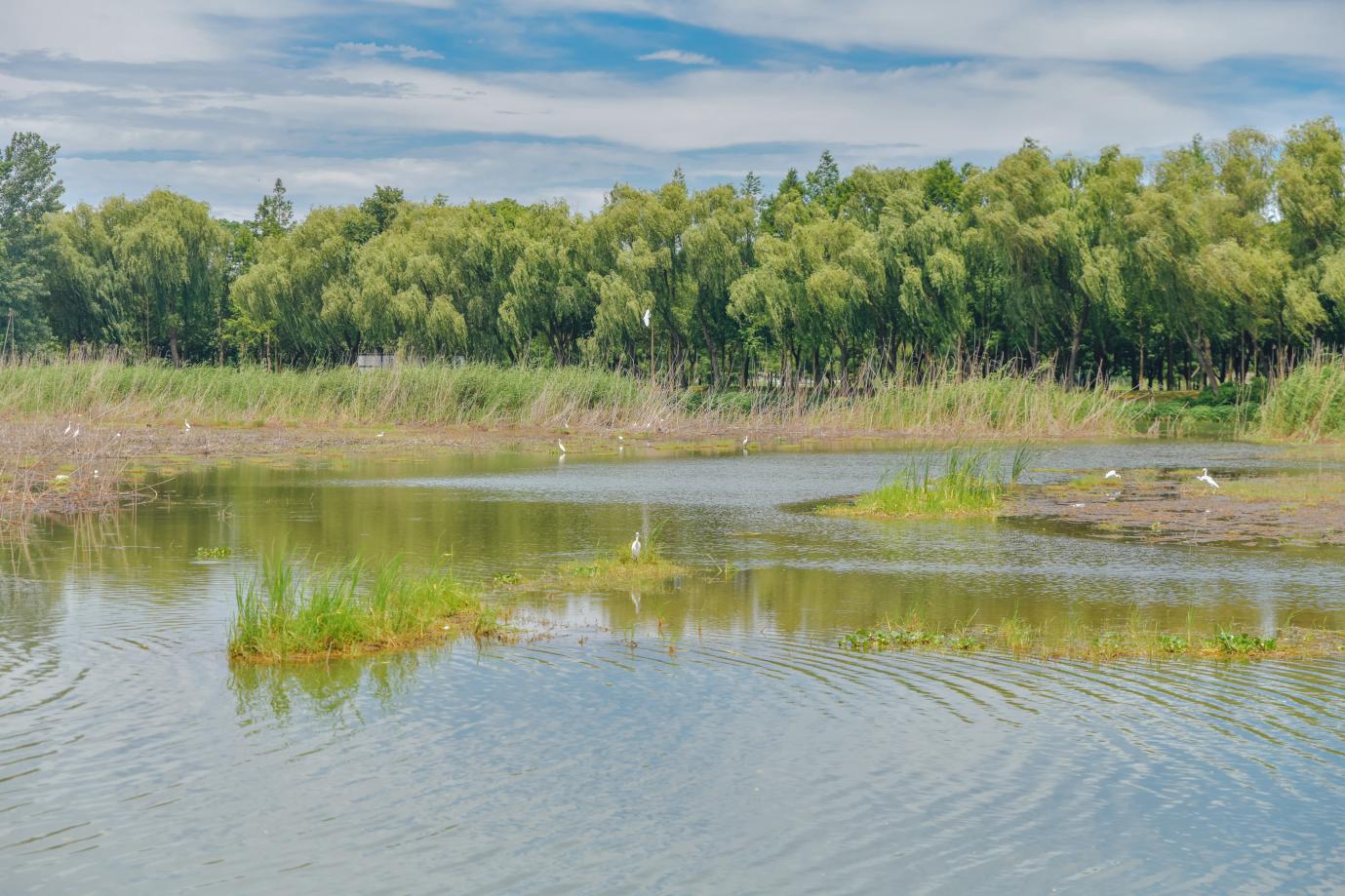
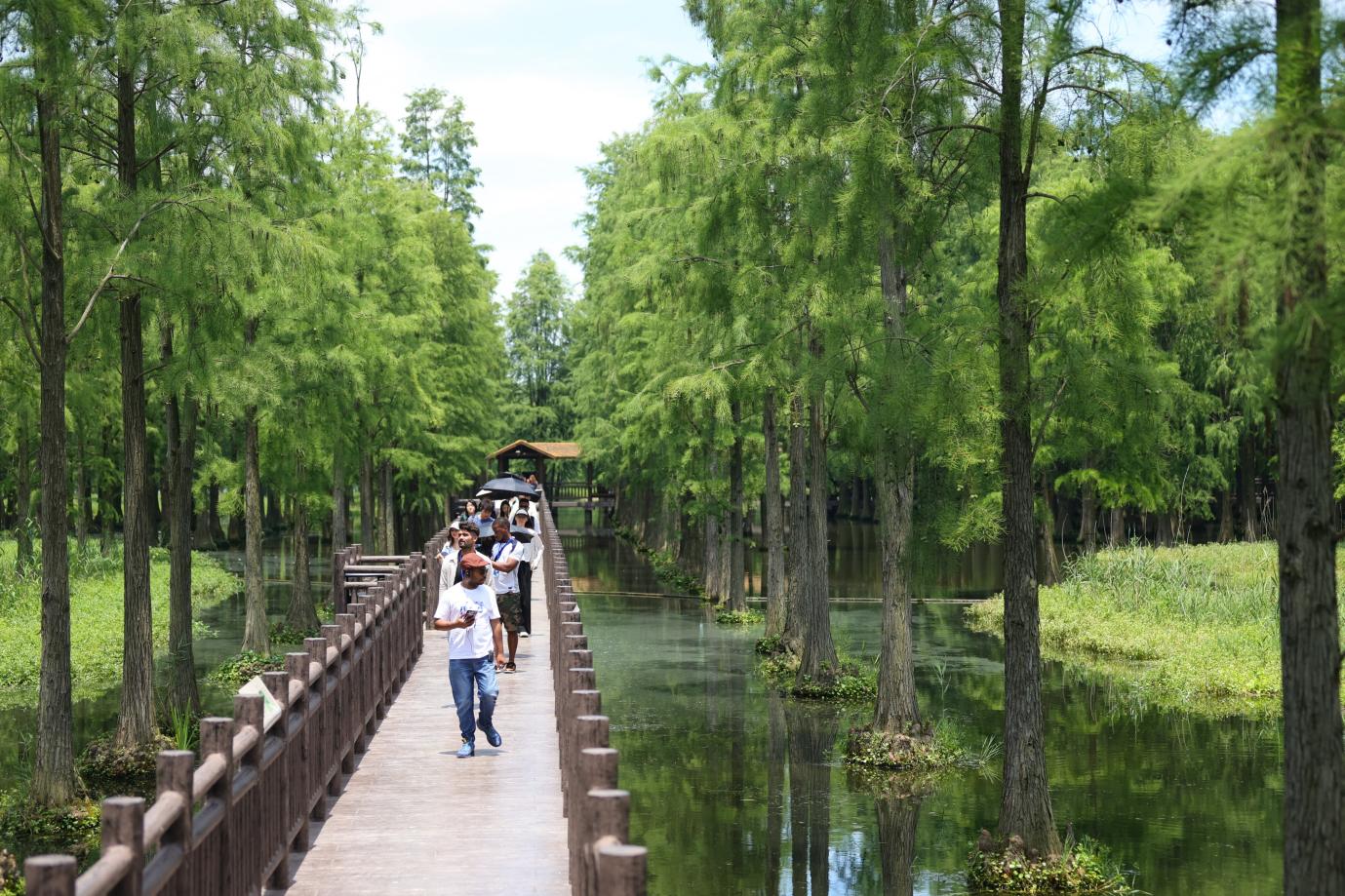
On the morning of July 7, the group visited Qingxi Country Park on the outskirts of Shanghai. Covering 4.6 square kilometers of farmland, wetlands and woodland, the park has no fences and no entrance fee. In one of the world’s most densely developed and expensive urban regions, this preserved landscape represents a different choice: allowing nature to retain its space.
In a water forest covering more than 4 hectares, the roots of bald cypress trees disappear beneath the surface while egrets nest among the branches above. The forest exists precisely because nothing was built here.
Here, the lesson was simple: a megacity can protect nature by making room for it.
That afternoon, the students arrived at the Water-town Living Room -- Fangting Water Courtyard, China's first public building jointly developed across provincial-level administrative boundaries. Located at the junction of Shanghai municipality, Jiangsu province and Zhejiang rovince along the Taipu River, the site lies within the Yangtze River Delta Green Ecological Integration Demonstration Zone, a national initiative launched in 2019 to promote cross-regional cooperation in ecological protection, integrated development and public services.
Within fifteen minutes on foot, the students crossed three administrative regions. But the question they raised was not about borders — it was about shared responsibility: if a factory releases wastewater upstream while a city relies on clean water downstream, who should be responsible?
The answer lies in cooperation beyond boundaries. The nearby planning exhibition hall presents the governance framework of the Yangtze River Delta Green Ecological Integration Demonstration Zone, showing how ecological protection can be coordinated across regions.
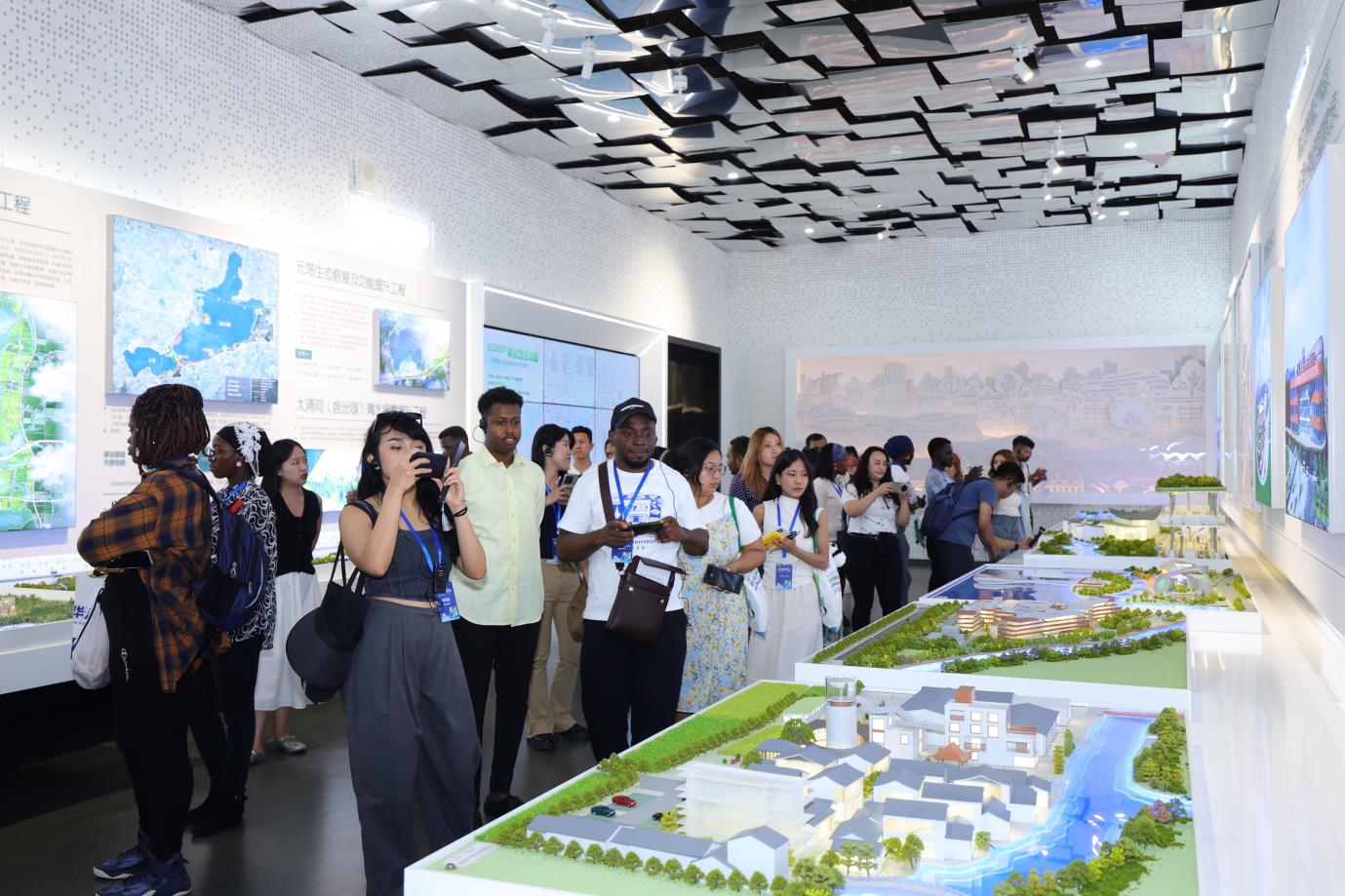
Aung Kaung Pyae, a participant from Myanmar, said that standing there made him realize that environmental journalism requires more than scientific knowledge—it also demands compelling storytelling that bridges the gap between science and the public. Conversations with fellow participants from around the world, he added, reinforced his belief that global environmental challenges can only be addressed through international cooperation.
The following day, the group turned their attention from regional coordination to the city’s ecological memory. Built in 1923, the Shanghai Drainage Science Museum, formerly the East District Wastewater Treatment Plant, is among the oldest surviving wastewater facilities in Asia. After operations ceased in 2019, the site was preserved rather than demolished and became one of China’s first National Industrial Heritage sites.
For many participants, the question was simple but profound: why preserve an old wastewater plant?
The answer revealed another side of sustainability: preserving not only nature, but also the history of how cities have learned to protect it.
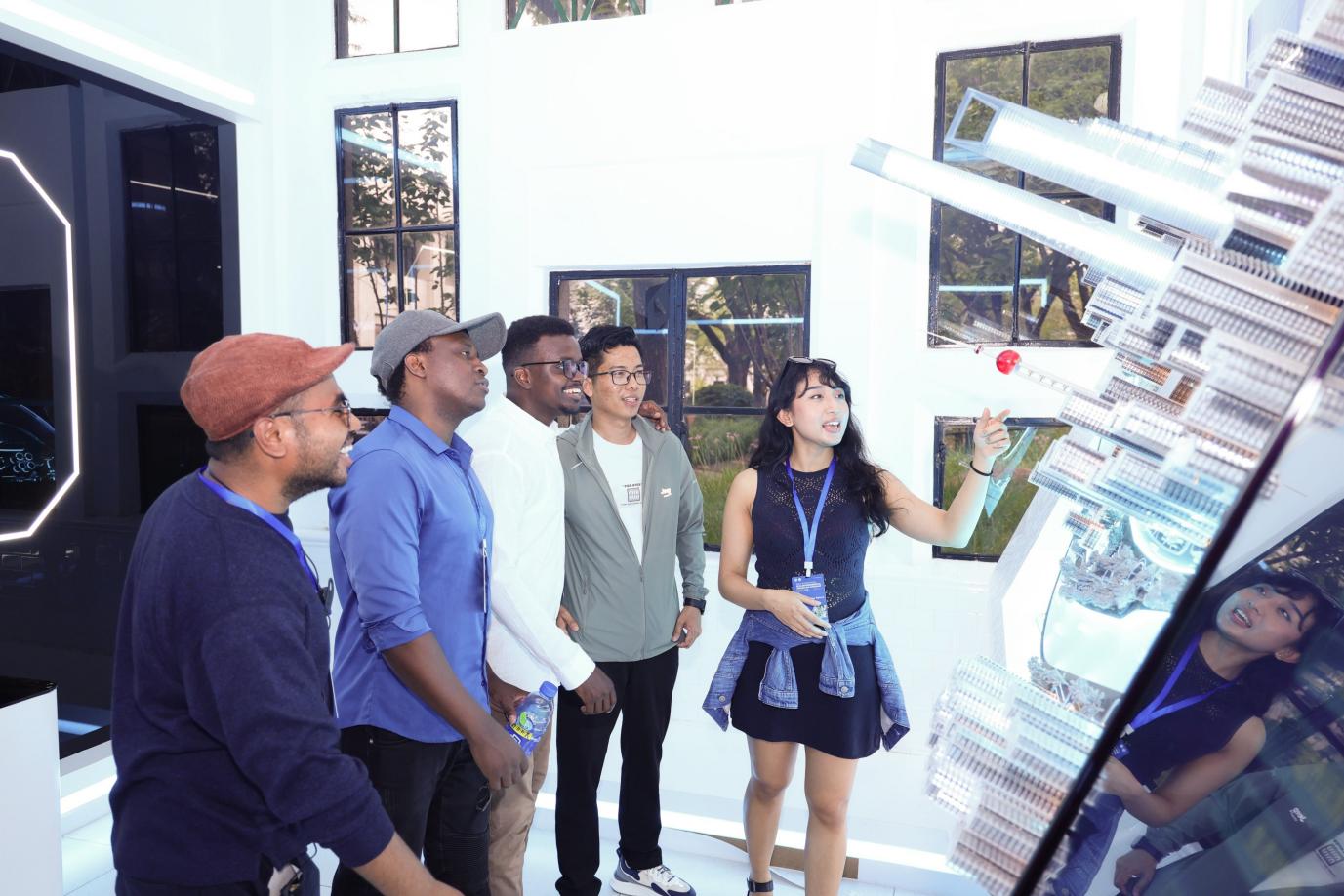
At the Xinhua Community Placemaking Center, converted from a traditional longtang lane, students observed a zero-waste initiative driven by residents themselves. Here, ecological progress was not only achieved through large-scale infrastructure projects, but also through daily choices made by neighbours. That is to say, ecological civilization is built not only through engineering, but through people’s participation.

The smallest space, the warmest connection
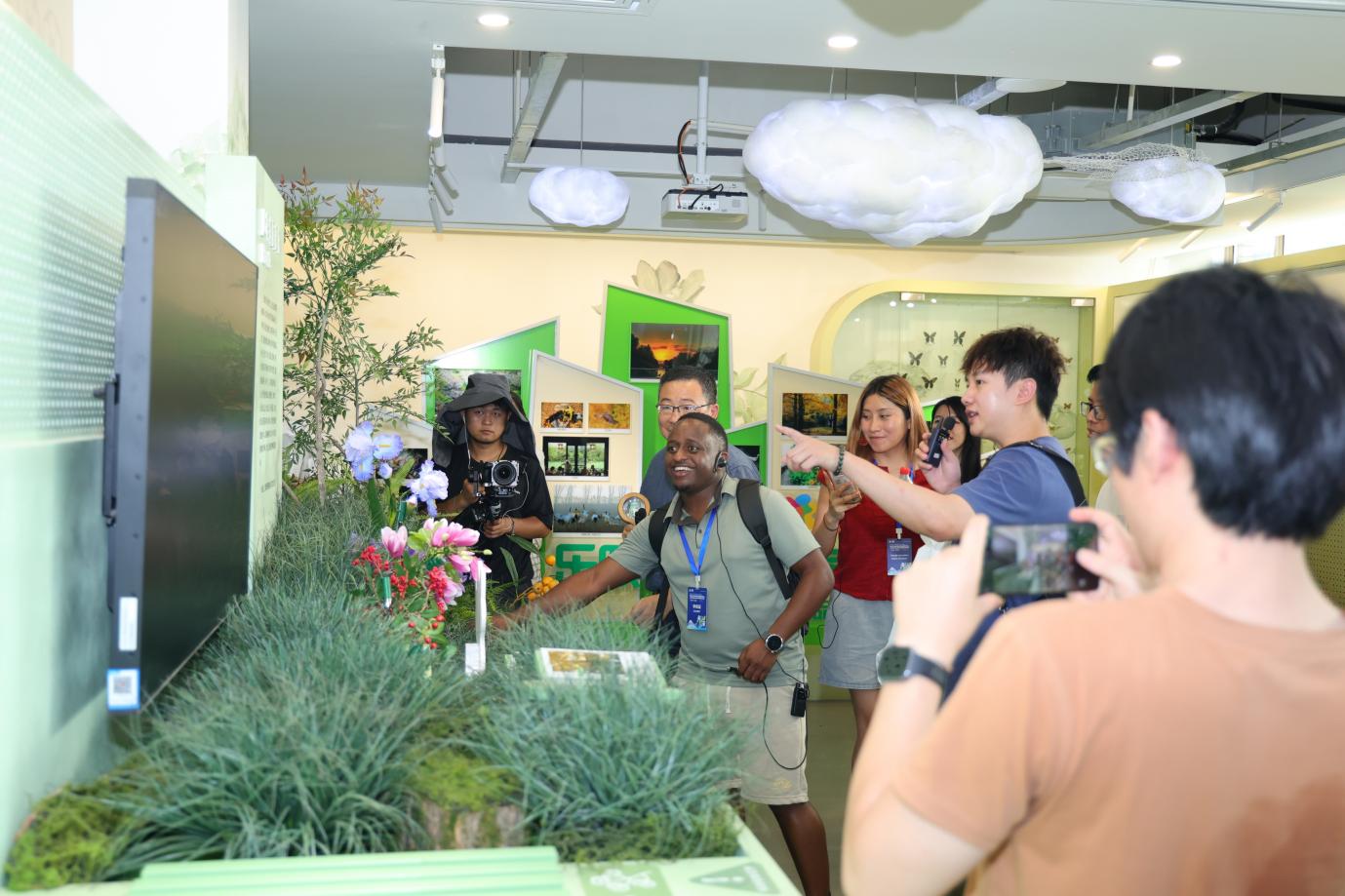
The final stop brought the participants back to the community level: Leyi Habitat Garden and the adjoining Habitat Museum, China’s first museum dedicated to community habitats.
Here, in one of the world’s most densely populated cities, they saw how an urban neighbourhood could create space for other forms of life. Hedgehogs, raccoon dogs and fireflies have found room to survive alongside residents, demonstrating that biodiversity conservation is not only a matter of protecting remote wilderness — it can also begin right outside people’s homes.
This was the same 700-square-meter garden where the story began.
Among all the sites they visited, it was the smallest in physical scale, yet perhaps the richest in emotional connection. It showed the participants that ecological conservation is not always about grand projects; sometimes it is about creating small spaces where humans and nature can live together.

More than a reporting trip
The stories, short videos and photo essays created by the participants will be shared in the months ahead, offering audiences around the world a glimpse of a beautiful China through the eyes of Generation Z. The students will also share their experiences of China’s ecological practices through their own social media platforms overseas.
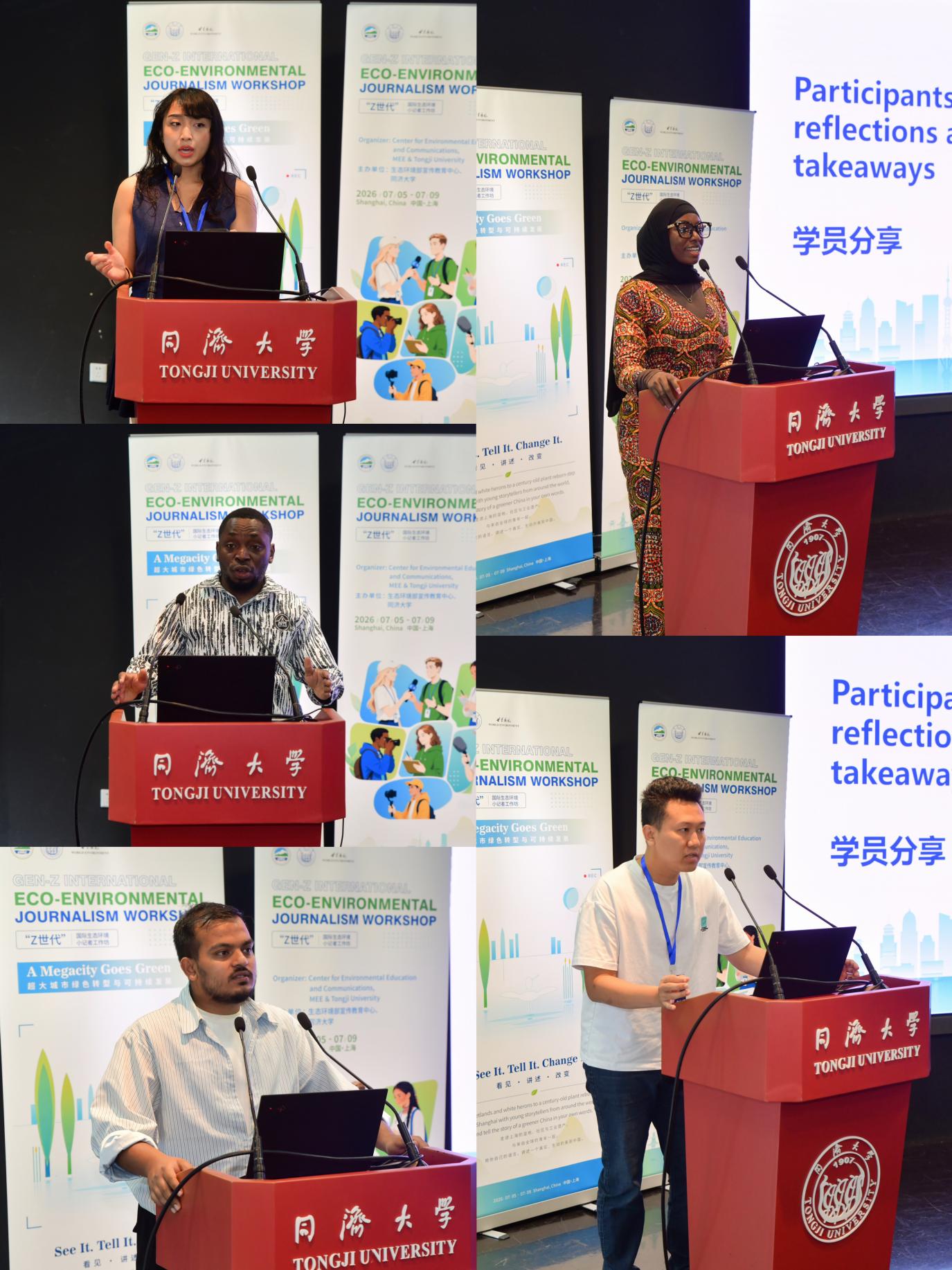
Green development and harmony between people and nature are questions that cross borders. The workshop brought together young people who share a deep curiosity about global environmental challenges, a willingness to learn, and a sense of responsibility toward both their own countries and the planet’s sustainable future.
They came to China to observe. They also hope to take something home.
Adamudu Alexander Ogwuche from Nigeria said the experience changed his understanding of environmental communication. It is not simply about recording facts, he said, but about telling stories in a way that is accurate, vivid and capable of inspiring public action. He plans to apply what he learned in writing, photography and media production to contribute to Nigeria’s green development.
For Samuella Nancy Yokie from Sierra Leone, China’s efforts to pursue ecological progress and green development while supporting the needs of such a large population showed her that economic and social development and harmony with nature do not have to be competing goals. She hopes to share these lessons as a young environmental communicator.
Amadea Annisa Rahma from Indonesia emphasized that environmental protection cannot rely on science and technology alone. It also requires public communication, cross-sector cooperation and broad participation from society. Shanghai’s experiences in biodiversity conservation, water governance and community engagement, she said, provide valuable examples for other regions.
Although countries have different circumstances, she noted, the ecological challenges they face are shared. She hopes to transform what she learned in China into practical action for environmental protection in her own country.
The workshop is designed as an ongoing program, inviting more young people from around the world to visit more Chinese cities and regions, explore ecological practices, and seek answers together for green and sustainable development.
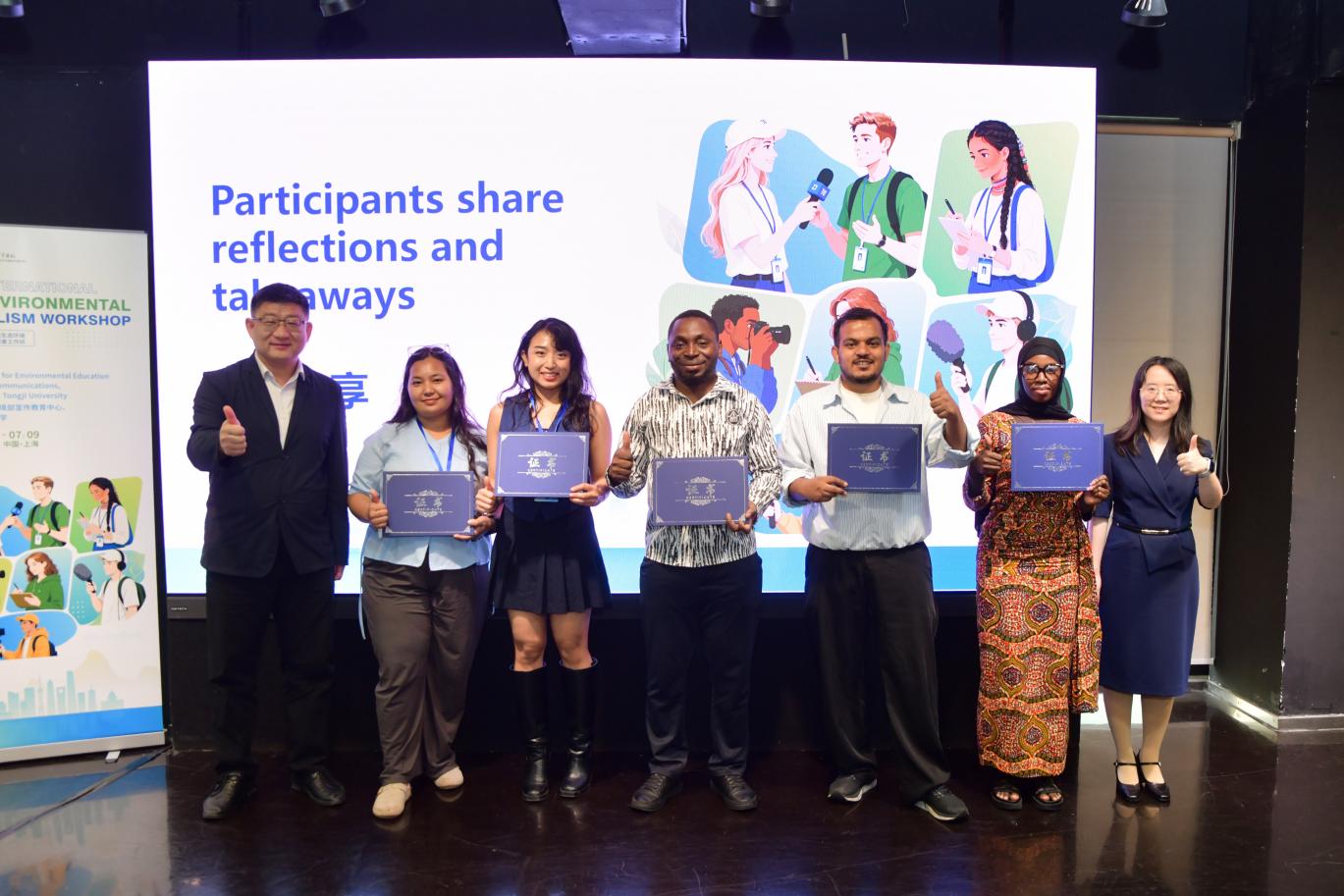
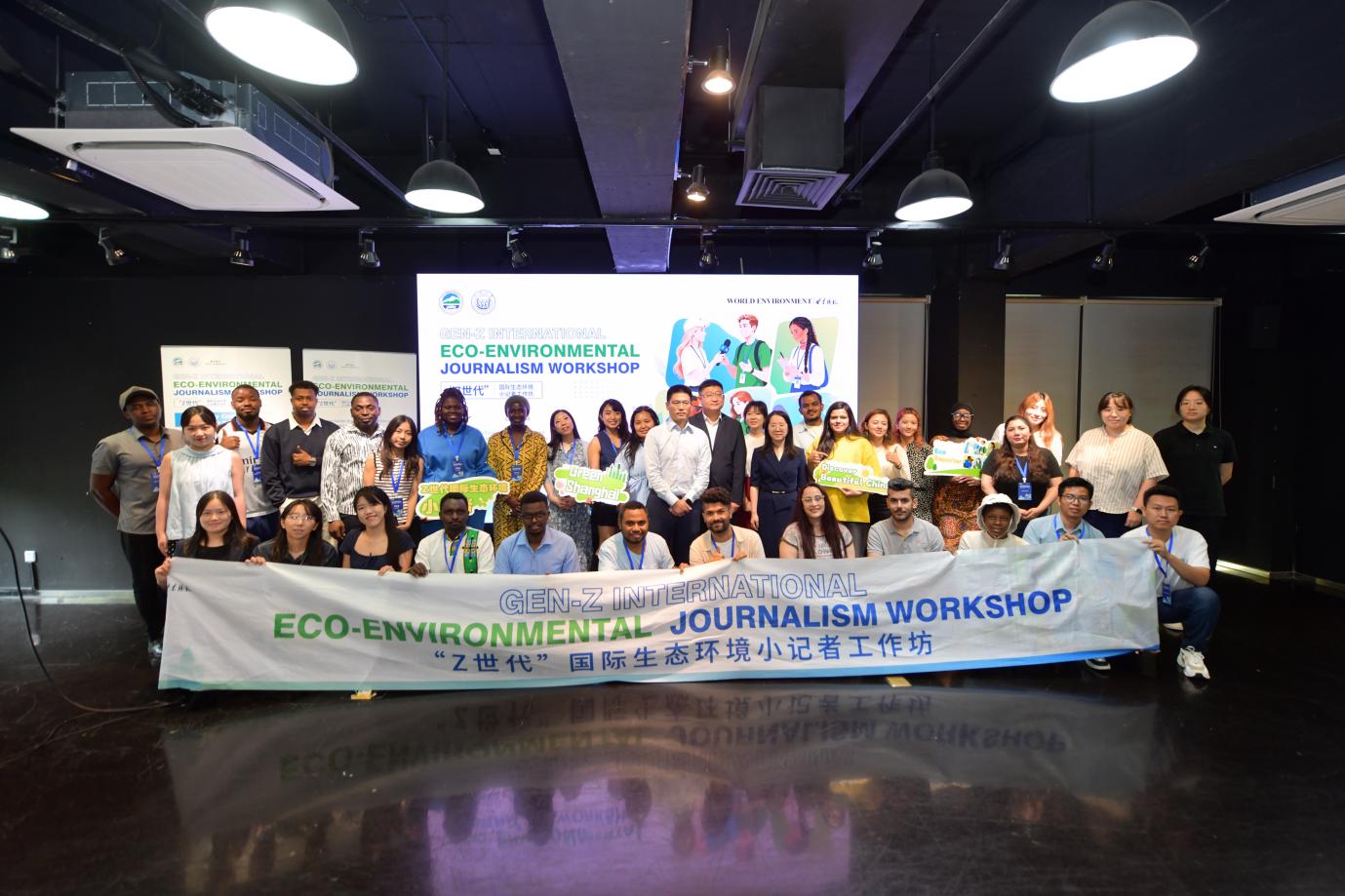
As an official from the Center for Environmental Education and Communications of the Ministry of Ecology and Environment explained, what the Gen-Z International Eco-Environmental Journalism Workshop aims to build is not a one-time reporting trip, but a network of youthful bridges — connecting people across cultures, promoting the global exchange of ecological ideas, strengthening international environmental cooperation and encouraging practical action.