UN joint programme concludes with call for sustained disability-inclusive development
Chinagate.cn By Jin Ling, June 26, 2026 Adjust font size:
The Project Closing and Forward-looking Dialogue on Disability-inclusive Development in China was held in Beijing on June 23, reviewing the progress that the programme designed to advance disability-inclusive development since 2024, and identifying priorities for the years ahead.
The dialogue brought together approximately 80 representatives from government, civil society, academia, the private sector, and organizations of persons with disabilities (OPDs). The United Nations agencies and Chinese partners called for sustained, systemic action to advance the rights and full participation of persons with disabilities.
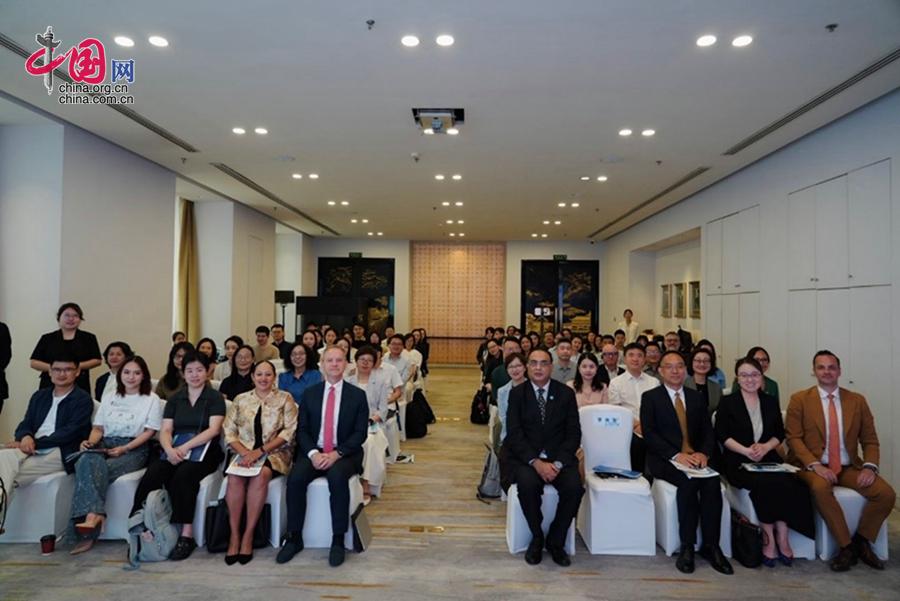
Project Closing and Forward-looking Dialogue on Disability-inclusive Development in China participants. The event was held in Beijing on June 23. [Photo courtesy of UNESCO]
The programme was jointly implemented by the United Nations Educational, Scientific and Cultural Organization (UNESCO), the United Nations Population Fund (UNFPA), and the International Labour Organization (ILO), with support from the UN Resident Coordinator’s Office and funding from the Global Disability Fund. From 2024 to 2026, it advanced inclusion across four interconnected areas: accessible museums and cultural participation, digital literacy and inclusion, sexual and reproductive health and rights, and inclusive employment.
At the beginning of the dialogue, speakers from the United Nations and the China Disabled Persons’ Federation (CDPF) underscored that disability inclusion is not merely a sectoral concern but rather a cross-cutting development imperative – rooted in the commitments of the landmark Convention on the Rights of Persons with Disabilities (CRPD) international human rights treaty and essential to building a society where everyone can participate fully and equally. The speakers reaffirmed that lasting progress requires moving beyond individual initiatives toward systemic, rights-based change.
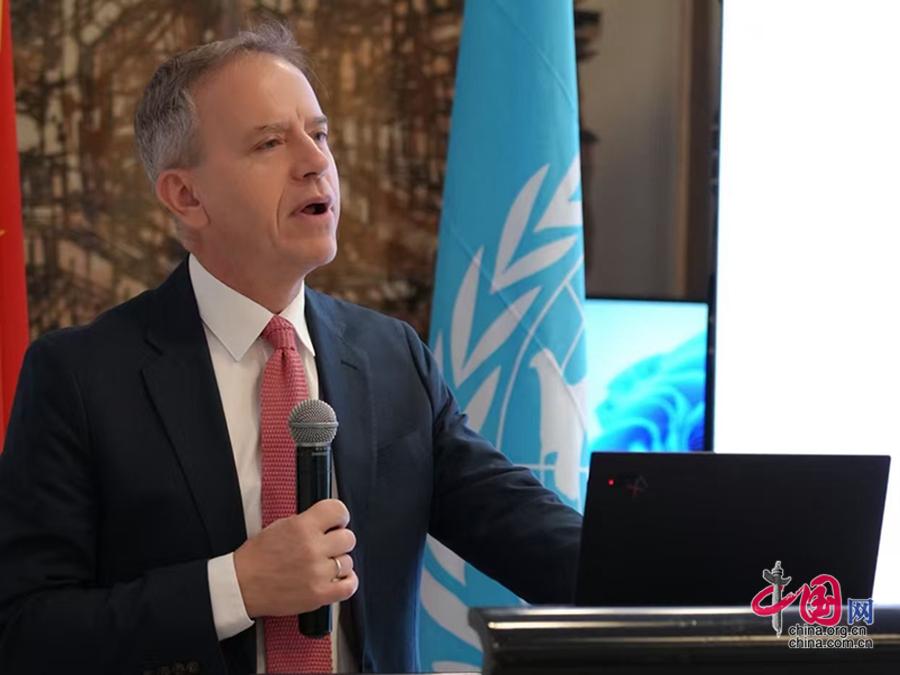
Stephen Jackson, United Nations resident coordinator in China, delivers opening remarks at the event. [Photo courtesy of UNESCO]
“For the United Nations, disability inclusion is not a standalone issue,” Stephen Jackson, United Nations resident coordinator in China, emphasized. “It is fundamental to human rights, sustainable development and social progress.”
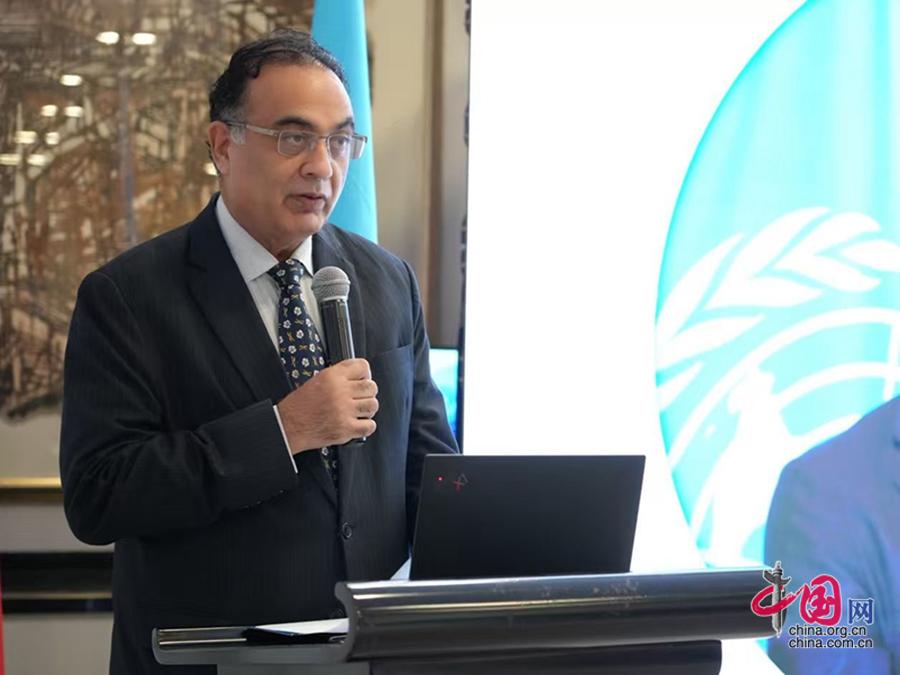
Shahbaz Khan, director and representative of the UNESCO Regional Office for East Asia and chair of the UN Theme Group on Disability in China, delivers opening remarks at the event. [Photo courtesy of UNESCO]
Shahbaz Khan, director and representative of the UNESCO Regional Office for East Asia and chair of the UN Theme Group on Disability in China, noted that the tools, frameworks, trained professionals, and partnerships that have been developed through the programme are assets that can continue to serve disability-inclusive development in China well into the 15th Five-year Plan (the national development blueprint approved by the National People’s Congress in March 2026, which includes an emphasis on “high-quality development”) period (2026–2030) and beyond.
“The question before us now is how to ensure they do – how to move from individual initiatives toward more systemic change,” he added.
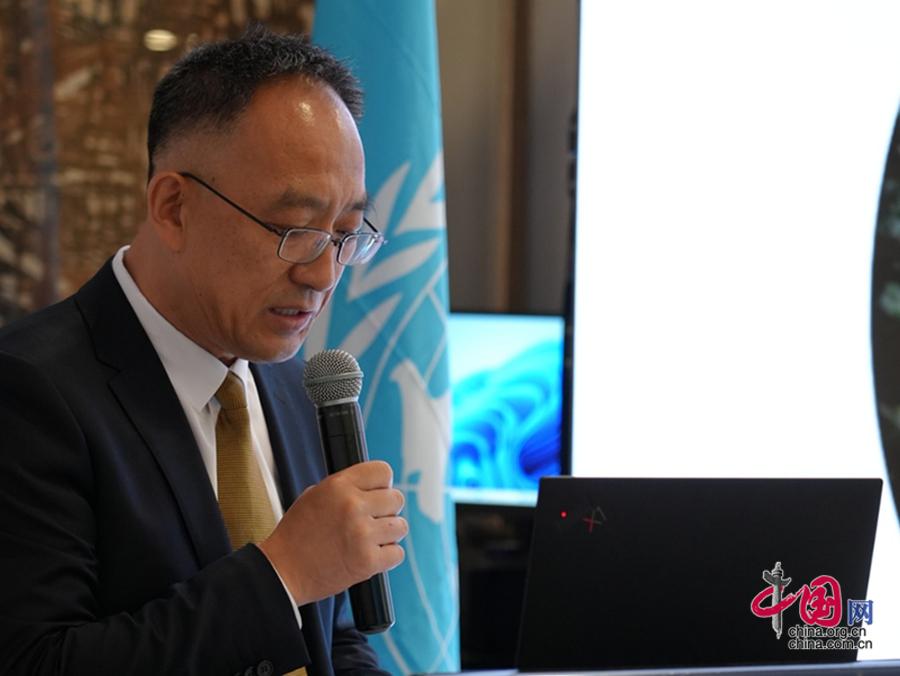
Mu Fangting, deputy director general of the International Affairs Department, China Disabled Persons’ Federation (CDPF), delivers opening remarks at the event. [Photo courtesy of UNESCO]
Mu Fangting, deputy director general of the International Affairs Department, CDPF, stated that China stands ready to deepen its partnership with relevant United Nations agencies for the purpose of jointly promoting inclusion in all respects and enabling more persons with disabilities to live happy and dignified lives.
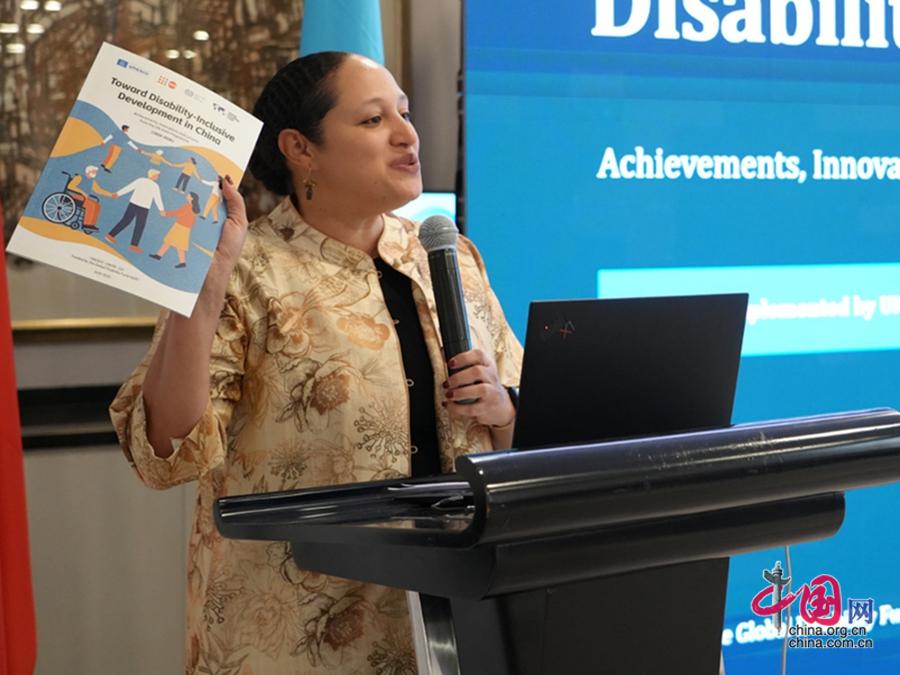
Nadia Rasheed, United Nations Population Fund (UNFPA) representative to China and country director for Mongolia, presents an overview of the recently concluded programme designed to advance disability-inclusive development at the event. [Photo courtesy of UNESCO]
After the opening remarks were delivered, Nadia Rasheed, UNFPA representative to China and country director for Mongolia, presented a written overview of the achievements and innovations that the programme has helped bring about and the lessons that have been learned as a result of its implementation. She highlighted that, bringing together government institutions, ODPs, academia, employers, museums, health professionals, and UN agencies around shared goals, the programme was designed to drive systemic change on top of its specific activities.
“Disability inclusion is not simply about removing barriers,” Rasheed remarked. “It is about unlocking potential, expanding opportunities, and ensuring that everyone can participate fully and equally in society.”
The dialogue also featured four thematic panel discussions that brought a total of 19 speakers from government, academia, OPDs, civil society, and the private sector together.
Across all four sessions a single message emerged clearly: inclusion cannot be reduced to access alone – it must be felt. Whether in museums, digital platforms, health services or workplaces, participants stressed that the goal is not to help persons with disabilities fit into existing systems but rather to reshape those systems around their realities, rights and voices.
Throughout the event participants affirmed that persons with disabilities are not passive beneficiaries but rather are rights holders, knowledge holders, and partners whose meaningful participation is essential to shaping the policies, services, and systems that affect their lives.
Held in the year marking the twentieth anniversary of the adoption of the CRPD by the UN, the dialogue also provided an opportunity to reflect on how the next phase of implementation can further translate rights-based commitments into practice.
It concluded with a shared commitment to translate the tools, frameworks, and partnerships generated through the programme into broader systemic change and longer-term impact, and achievements that the programme has helped bring about were showcased across the aforementioned four interconnected areas.
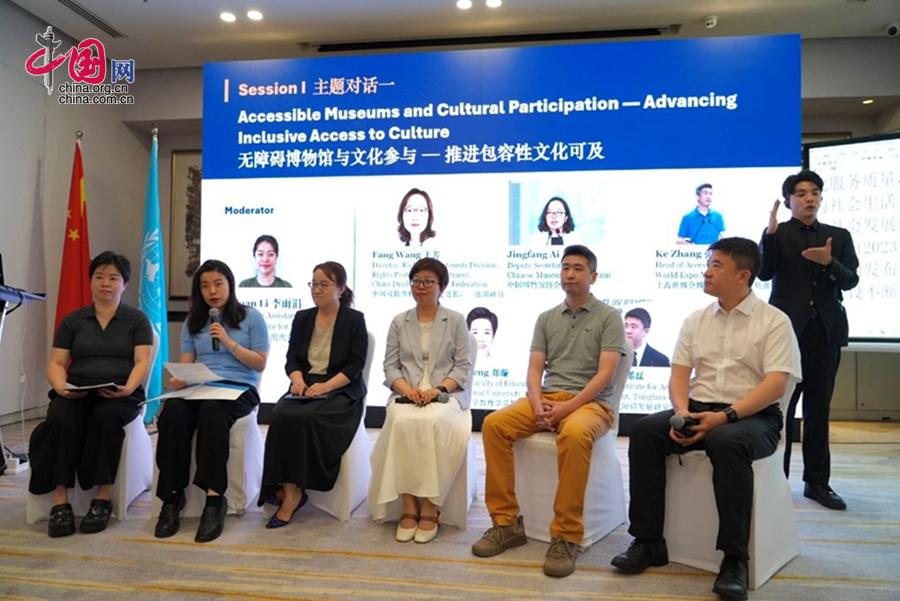
Panel discussion 1: accessible museums and cultural participation [Photo courtesy of UNESCO]
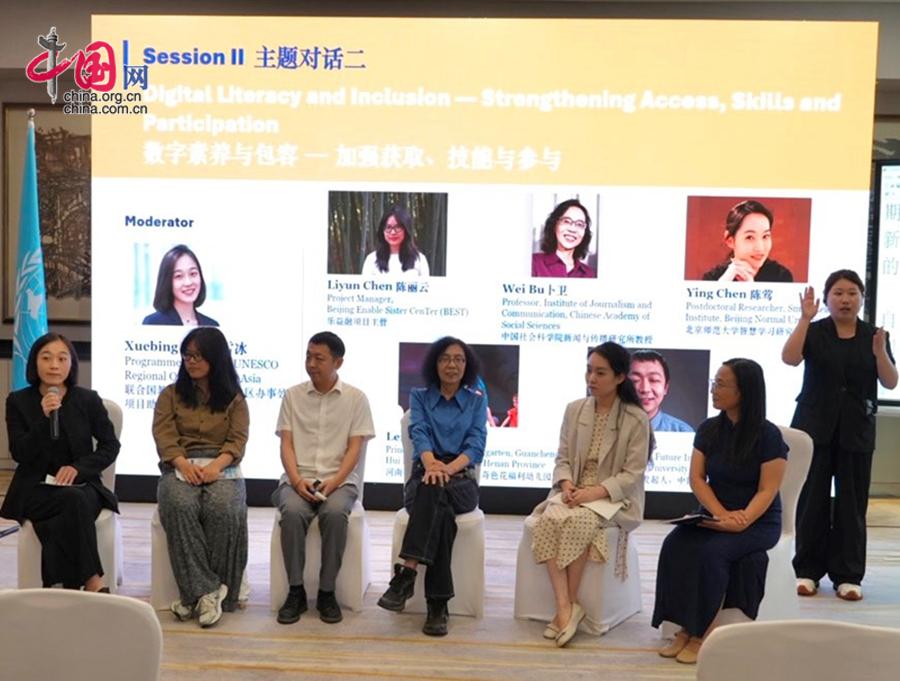
Panel discussion 2: digital literacy and inclusion [Photo courtesy of UNESCO]
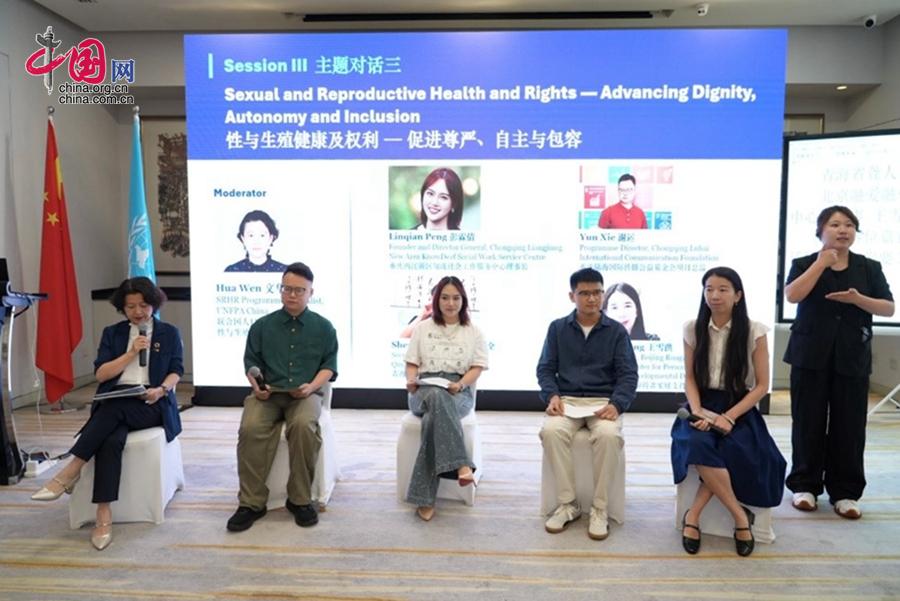
Panel discussion 3: sexual and reproductive health and rights [Photo courtesy of UNESCO]
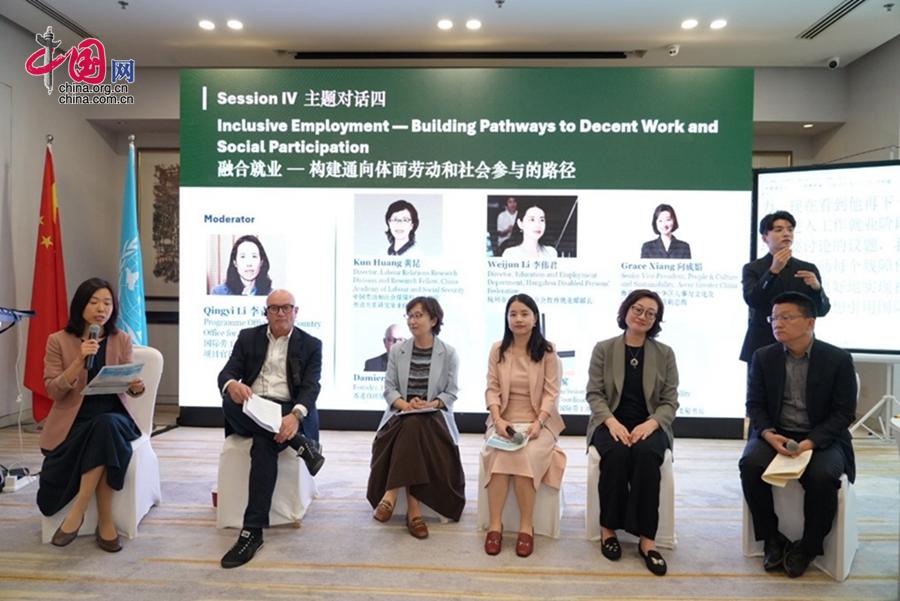
Panel discussion 4: inclusive employment [Photo courtesy of UNESCO]
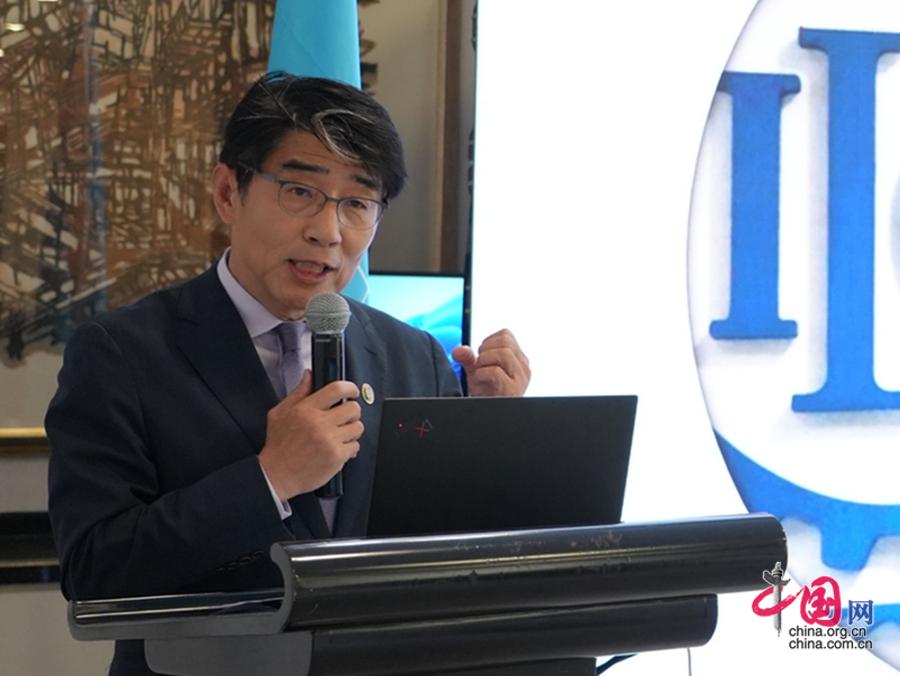
Changhee Lee, director of the International Labour Organization (ILO) Country Office for China and Mongolia, delivers closing remarks at the event. [Photo courtesy of UNESCO]
“This marks an important transition – from inclusion for persons with disabilities to inclusion with and by people with disabilities themselves,” Changhee Lee, director of the ILO Country Office for China and Mongolia, emphasized during the closing remarks that he delivered at the dialogue.
The achievements and innovations that the programme has helped bring about across all four aforementioned areas and the lessons that have been learned as a result of its implementation are documented in the publication Toward Disability-Inclusive Development in China: Achievements, Innovations and Lessons from the UN Joint Programme (2024–2026).