UN Theme Group on Disability in China hosts 2026 World Autism Awareness Day celebration
Chinagate.cn by Xu Lin, April 02, 2026 Adjust font size:
To mark World Autism Awareness Day (WAAD), the United Nations Theme Group on Disability (UNTGD) in China, chaired by UNESCO, in collaboration with Special Olympics East Asia (SOEA) and partners, held the 2026 World Autism Awareness Day Celebration – Dialogue and Mini Special Olympics Unified Games at the UN Compound in Beijing. The event brought together around 80 participants from the UN system, government departments, disability communities, the private sector, academia and the media, combining high-level dialogue with participatory inclusive sports to advance autism inclusion and social inclusion in practice.
This year’s global theme for WAAD is “Autism and Humanity -- Every Life Has Value,” while the national theme in China focuses on “Enhancing quality services across the life course, with a focus on family support and adult services for persons with autism.” The event aimed to enhance public understanding and respect for persons with autism, promote the development of high-quality, lifelong support systems, and advance the equal and dignified participation of persons with autism in society.
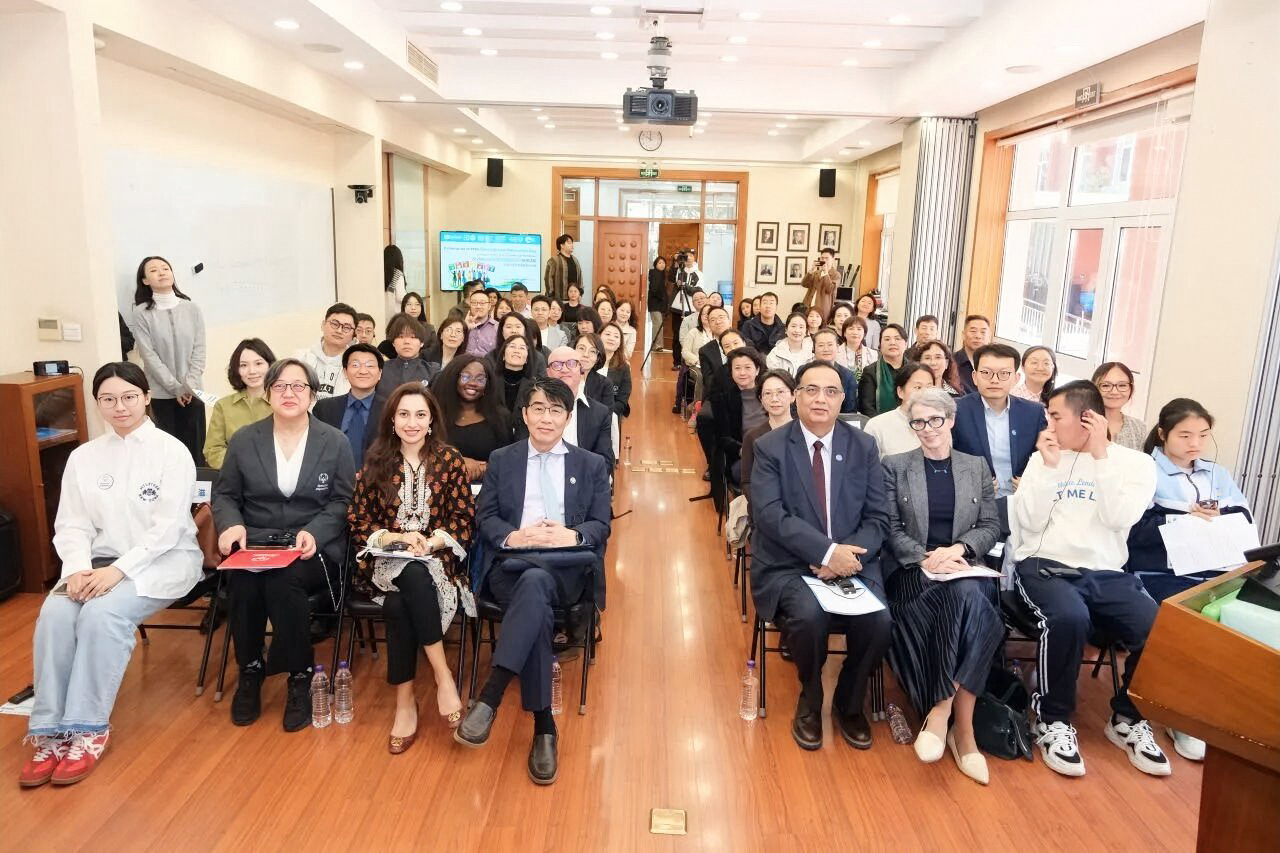
Group photo (Photo courtesy of UNESCO)
Event highlight: Mini Special Olympics Unified Games experience
A highlight of the event was the Mini Special Olympics Unified Games Experience, led by students and teachers from Beijing Chaoyang Experimental Primary School Xinyuanli Branch. Through recreational Unified play activities -- where persons with and without intellectual and developmental disabilities, including persons with autism, play together on the same teams -- participants deepened their understanding of autism and experienced acceptance, collaboration and inclusion firsthand, helping to break down social barriers and foster solidarity.
Opening remarks
The event opened with speeches from UN representatives in China, the British Embassy Beijing and Special Olympics athletes. In their statements, speakers emphasized the importance of promoting neurodiversity and safeguarding the rights, dignity and full participation of persons with autism as a foundation for sustainable development. They also called on all stakeholders to take concrete action to create more inclusive and equitable environments for persons with disabilities.
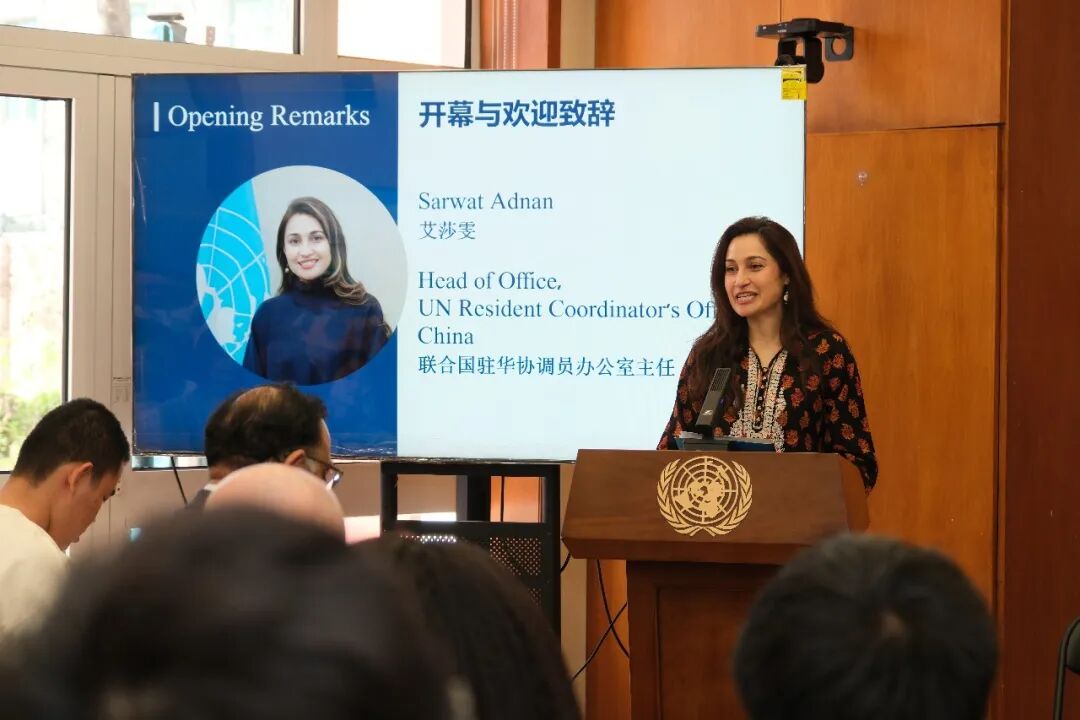
Sarwat Adnan, head of UN Resident Coordinator’s Office in China delivers a speech. (Photo courtesy of UNESCO)
Sarwat Adnan, head of UN Resident Coordinator’s Office in China said, “When we recognize neurodiversity as part of our shared humanity, we help build societies that are more inclusive, equitable, and resilient. This is relevant across the Sustainable Development Goals, including health, education, equality, reduced inequalities, and stronger institutions.”
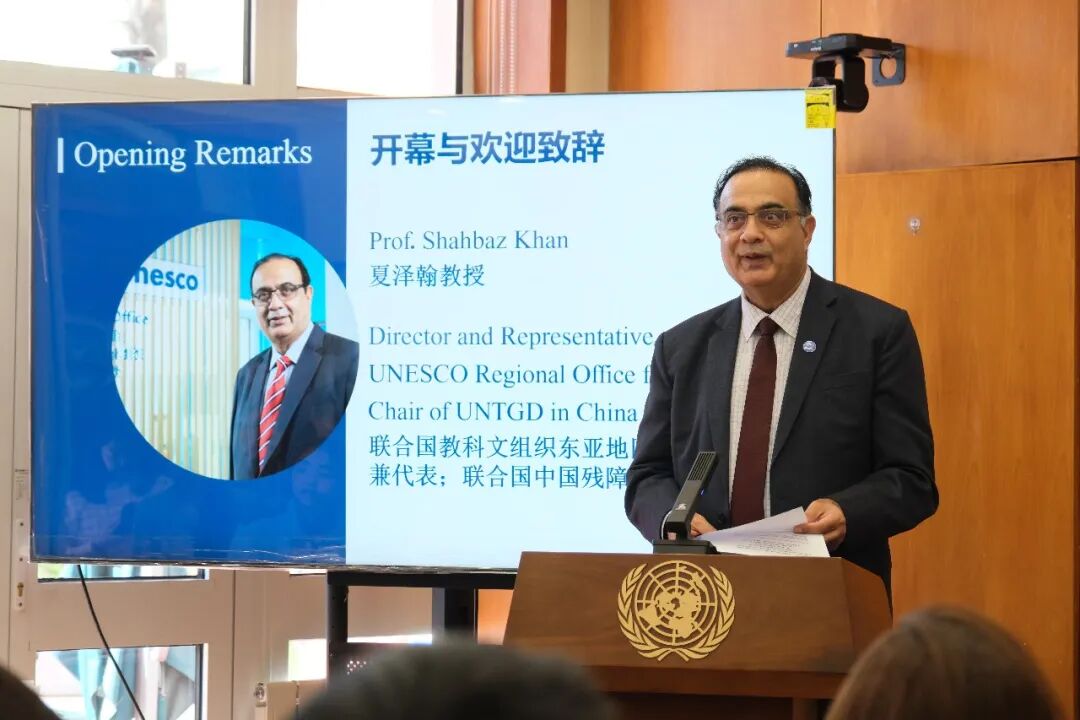
Shahbaz Khan, director and representative of UNESCO Regional Office for East Asia; chair of UNTGD in China delivers a speech. (Photo courtesy of UNESCO)
Shahbaz Khan, director and representative of UNESCO Regional Office for East Asia; chair of UNTGD in China stressed, “Awareness, however, is only the beginning. The real test of any society is whether it is prepared to include people not as an afterthought, but by design. Our task is to build communities, institutions, and systems in which persons with autism are not simply acknowledged, but fully included, respected, and empowered to participate in all aspects of life.”
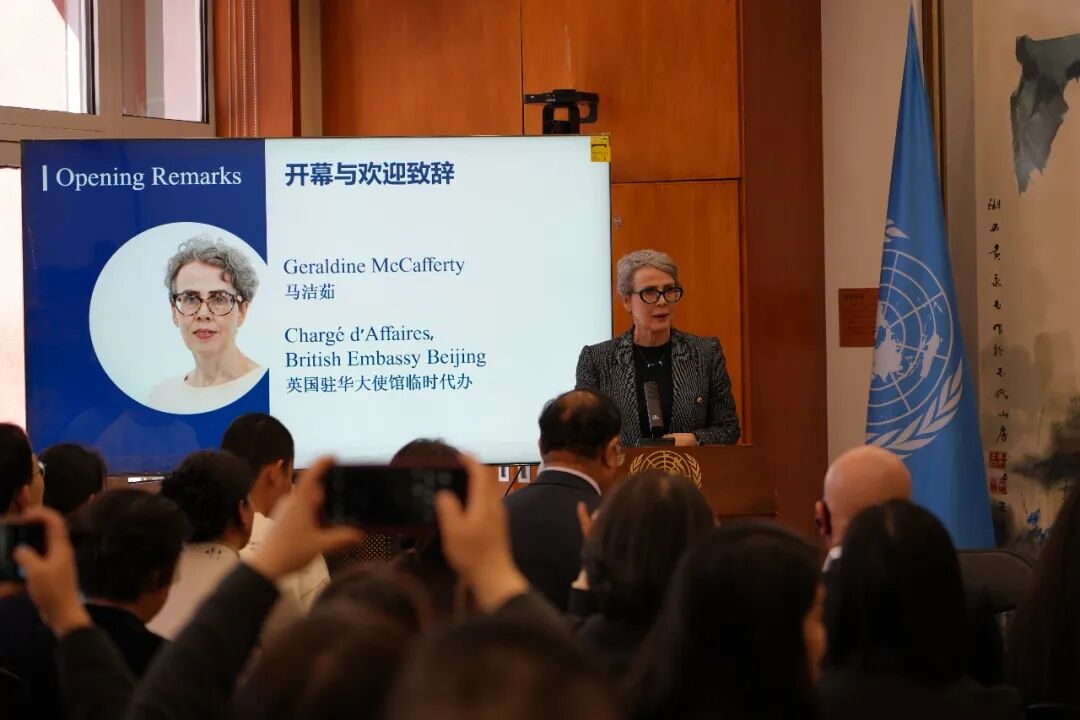
Geraldine McCafferty, Chargé d’Affaires of the British Embassy Beijing delivers a speech. (Photo courtesy of UNESCO)
Geraldine McCafferty, Chargé d’Affaires of the British Embassy Beijing said in her speech, “Inclusion does not happen by accident -- it happens by intention. I invite all of us to take meaningful action: challenge stereotypes; listen with empathy; design spaces that welcome, rather than exclude; support families and caregivers; and advocate for inclusive education and employment.”
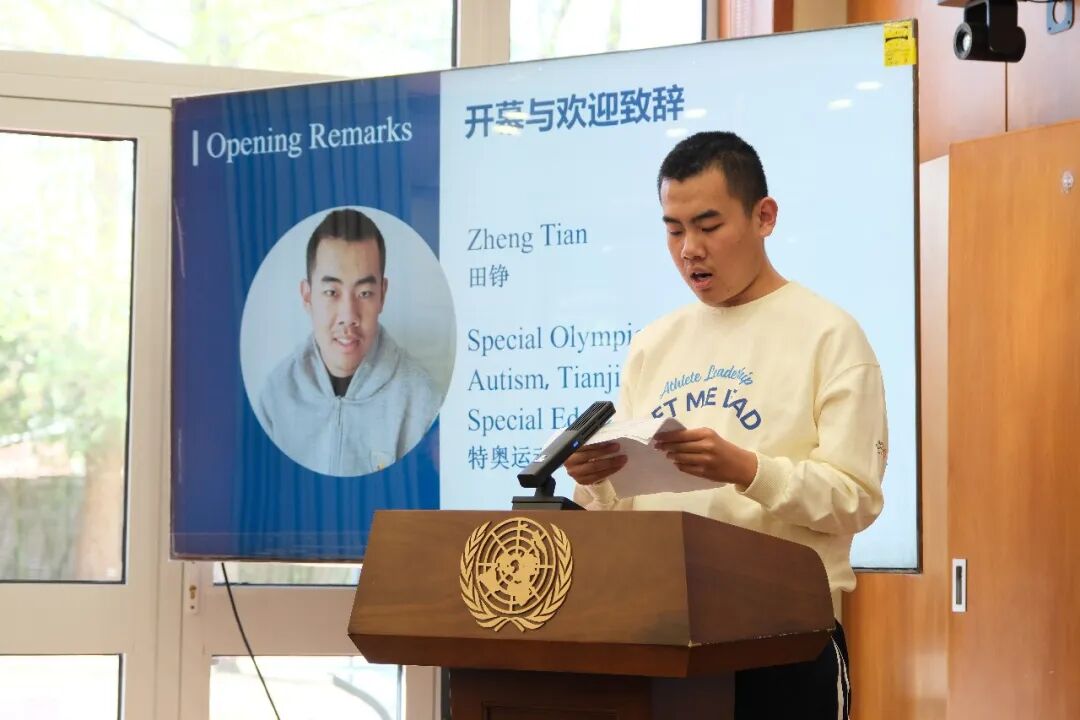
Zheng Tian, Special Olympics athlete with autism, Tianjin Ninghe District Special Education School delivers a speech. (Photo courtesy of UNESCO)
Zheng Tian, Special Olympics athlete with autism, Tianjin Ninghe District Special Education School, emphasized, “Autism isn’t something wrong with us, and it’s not a flaw. It’s just a different way we experience the world. We are just like everyone else. We have dreams, we have strengths, and we have the right to go to school, to work, to make friends, and to love. We don’t need pity. We need opportunities. We don’t need to be treated differently. We want to be seen, respected, and included as equals.”
Dialogues: understanding autism and building inclusive systems
The event featured two indepth panel discussions under the themes “Beyond Myths: Understanding Autism and Embracing Neurodiversity” and “Building Inclusive Systems: CrossSector Collaboration for Autism Inclusion.” Eleven panelists contributed to the discussions.
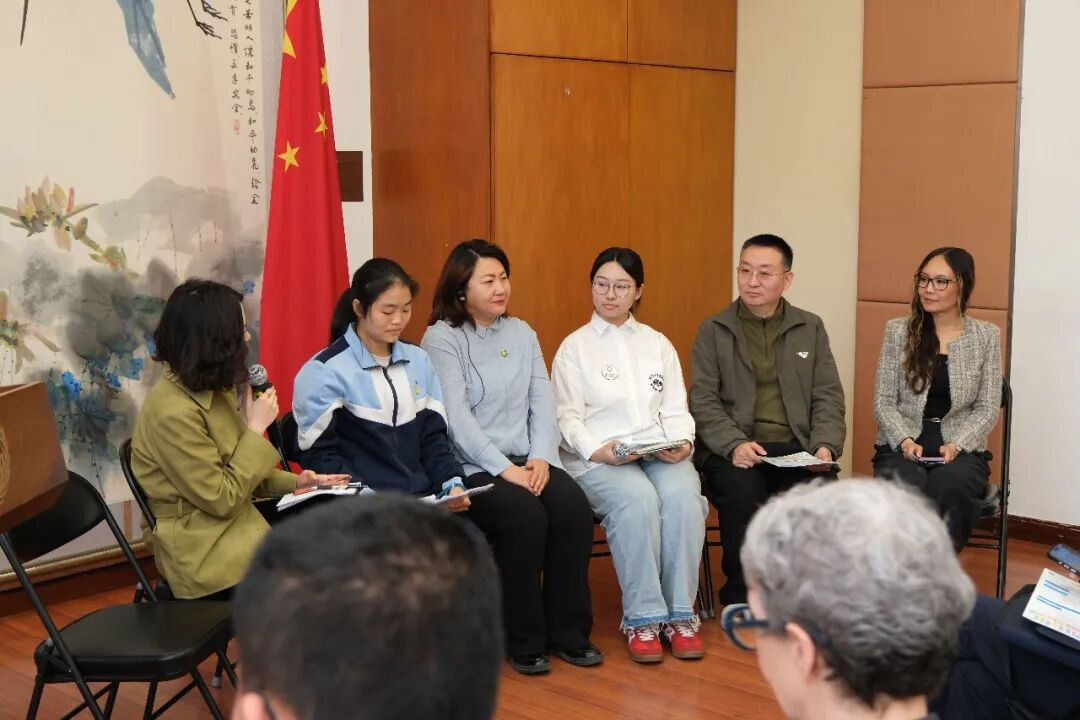
Dialogue I (Photo courtesy of UNESCO)
Drawing on lived experiences of youth with autism, family perspectives and international expertise, the discussions explored how to move beyond misconceptions and build genuine understanding of neurodiversity. Panelists examined urgent priorities for China’s autism support system, including lifelong services, family support, transitions to adulthood and schooltowork pathways. They also highlighted innovative approaches to employment and social participation informed by international experience and inclusive business practices, while underscoring the critical importance of crosssector collaboration between government, international organizations, educational institutions and businesses in creating truly inclusive communities for persons with autism and their families.
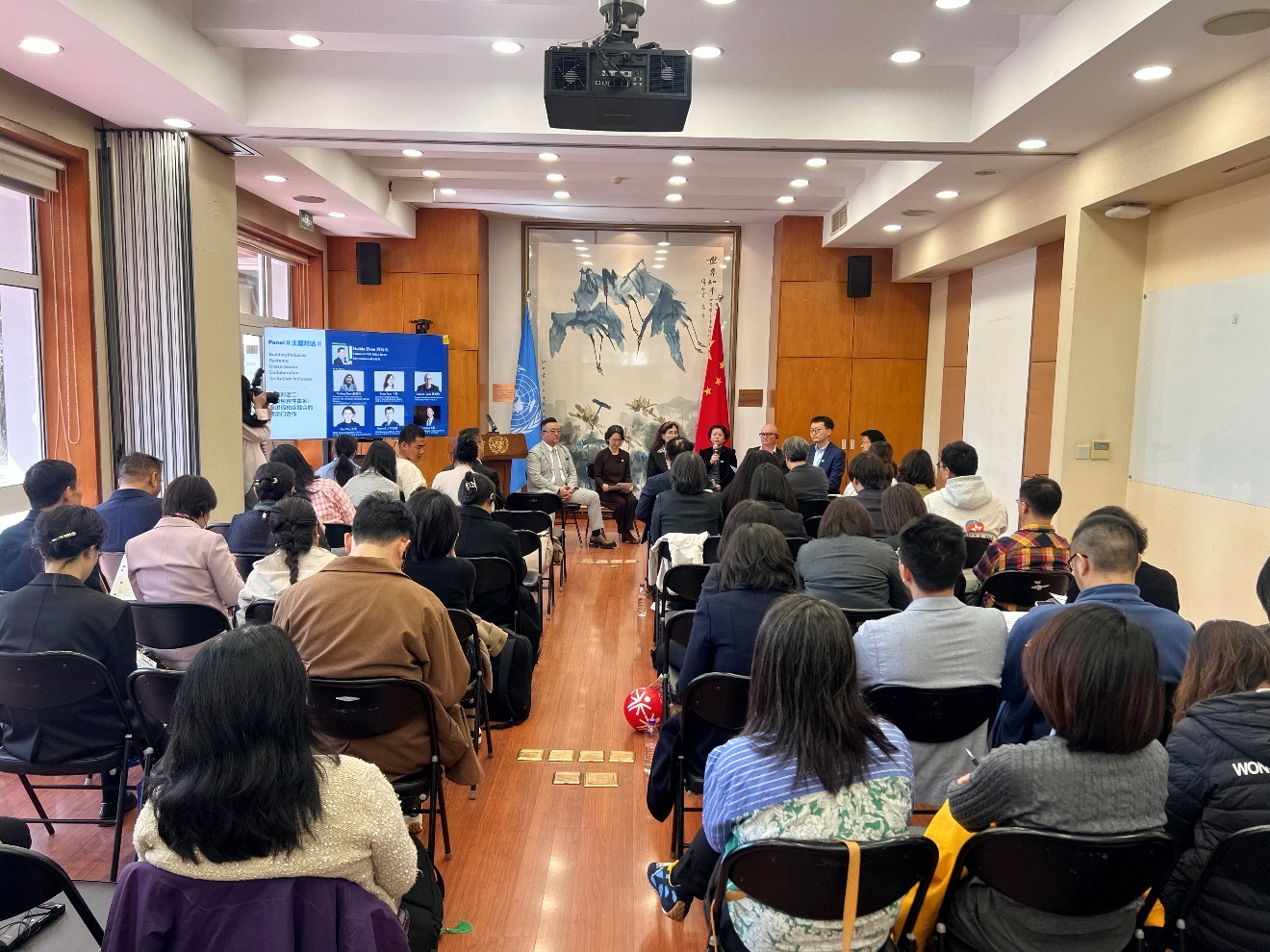
Dialogue II (Photo by Xu Lin / China.org.cn)
Following the dialogues, all participants took part in the Mini Special Olympics Unified Games session. Through cooperation and interaction on the field of play, the activity helped break down barriers, spread joy and bring to life the inclusive spirit of “Sport for Inclusion.”
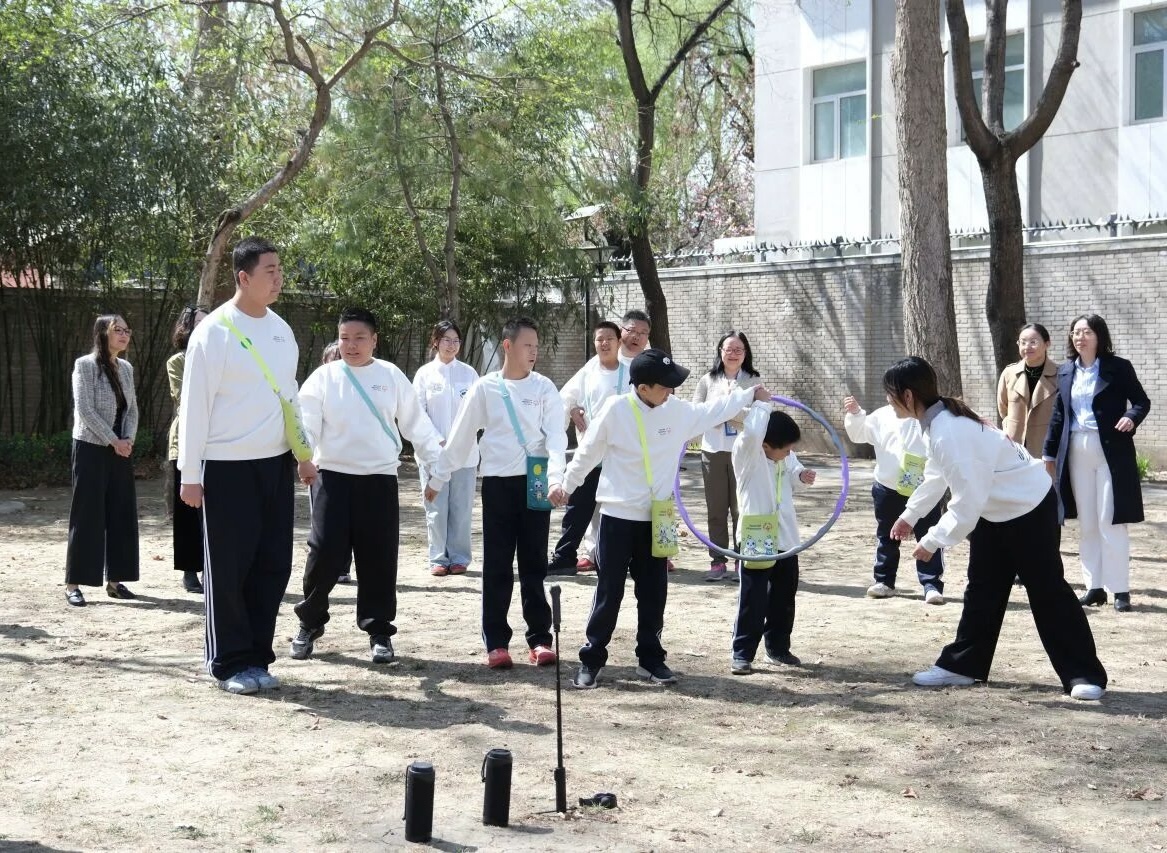
Mini Special Olympics Unified Games Experience (Photo courtesy of UNESCO)
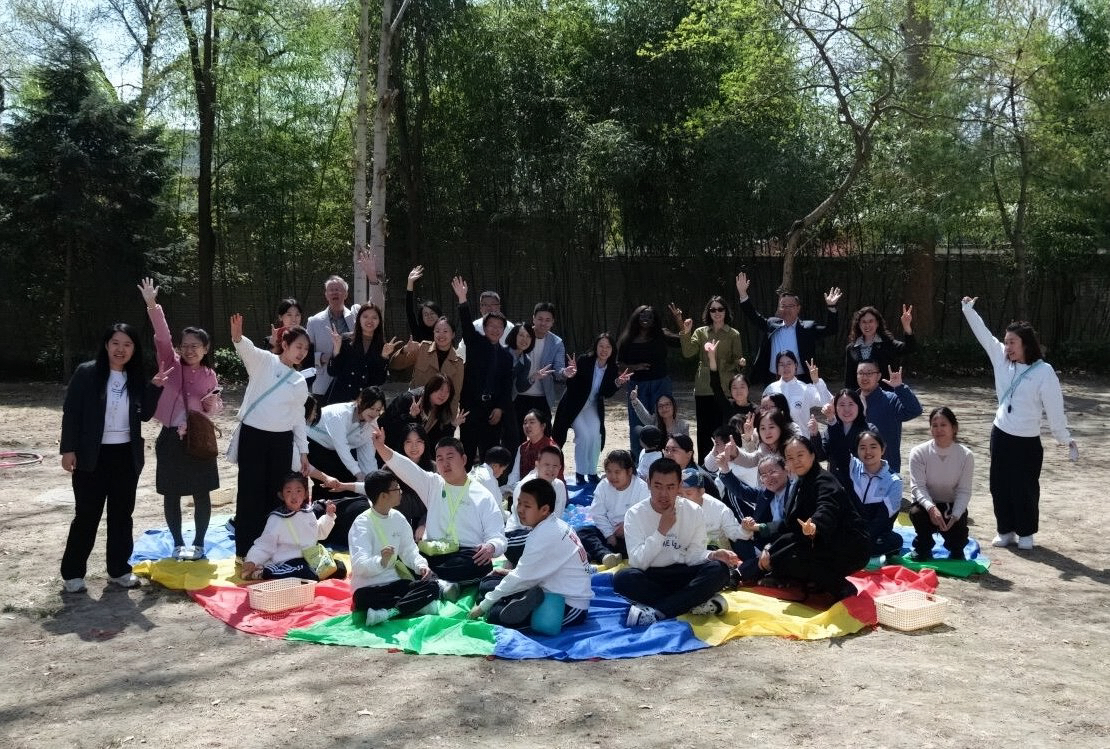
Mini Special Olympics Unified Games Experience (Photo courtesy of UNESCO)
Closing remarks
In closing, representatives from Special Olympics East Asia and the ILO Country Office for China and Mongolia expressed appreciation for the contributions of all participants and partners, and reiterated their commitment to advancing autism inclusion.
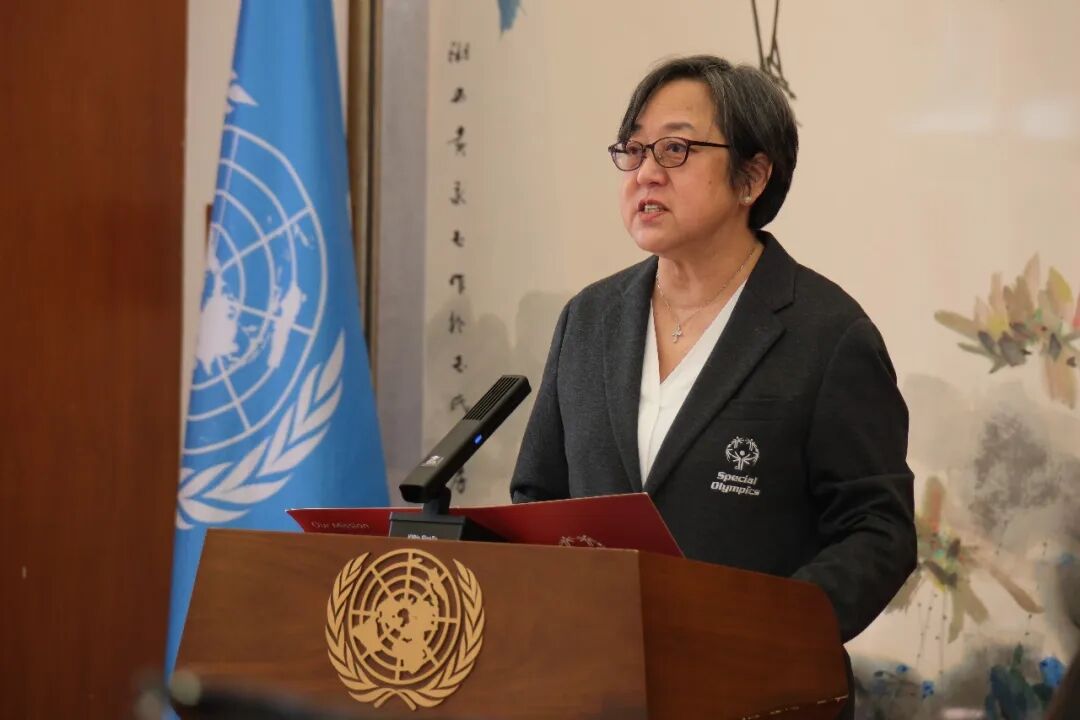
Freda Fung, regional president and managing director of Special Olympics East Asia delivers a speech. (Photo courtesy of UNESCO)
Freda Fung, regional president and managing director of Special Olympics East Asia highlighted, “Autism is not a problem to be solved. It is part of the extraordinary diversity of the human experience. Like all the persons with intellectual and developmental disabilities, autistic individuals bring creativity, talent, and perspectives that enrich every community they are part of. And yet, too many still face barriers, in classrooms, in clinics, in workplaces, in public life. Removing those barriers is not charity. It is a matter of rights, dignity, and equal opportunity.”
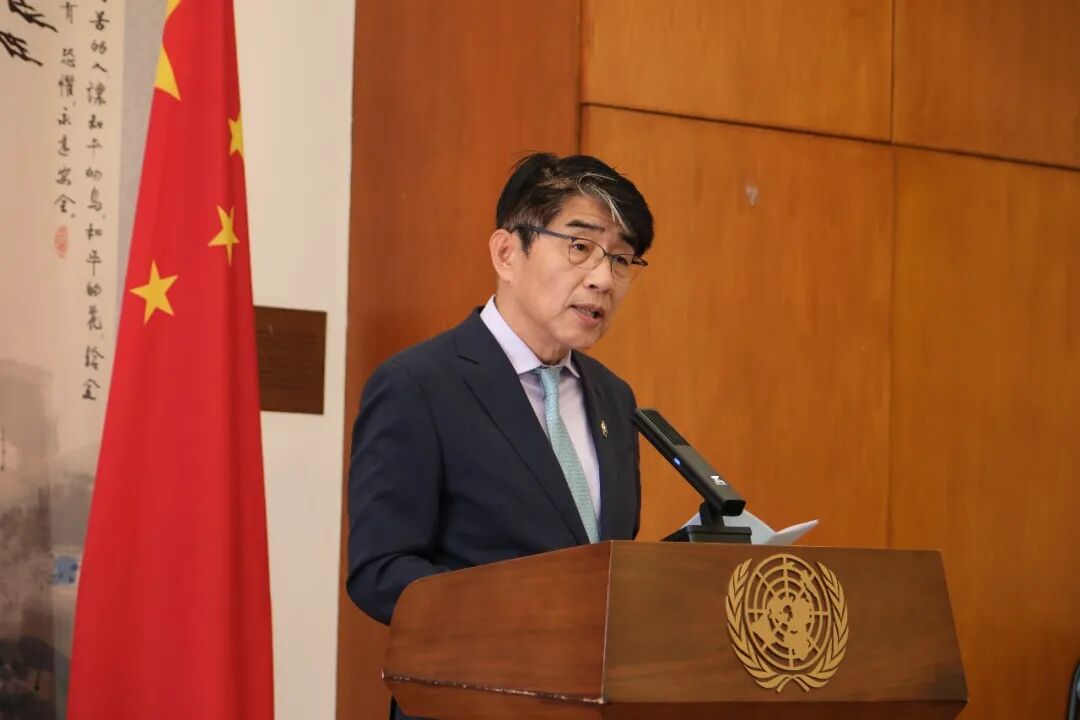
Changhee Lee, director of the ILO Country Office for China and Mongolia delivers a speech. (Photo courtesy of UNESCO)
Changhee Lee, director of the ILO Country Office for China and Mongolia stated, “Employment is essential for people with disability, including neurodivergent individuals, because work provides dignity, independence, purpose, and full participation in society. Access to meaningful work depends on systems that support skill development, vocational guidance, and workplace adjustments.”
Guiyang Huiling Social Work Service Center and Shanxi Fenghui Intellectual Disability Care Center provided special support for this event, further promoting public awareness and understanding of disability-related issues.
About World Autism Awareness Day
World Autism Awareness Day (WAAD), observed annually on April 2, was designated by the United Nations to promote greater awareness, acceptance and inclusion of persons with autism. It also provides an opportunity to reaffirm their dignity, rights and contributions, while encouraging dialogue and action towards more inclusive societies.